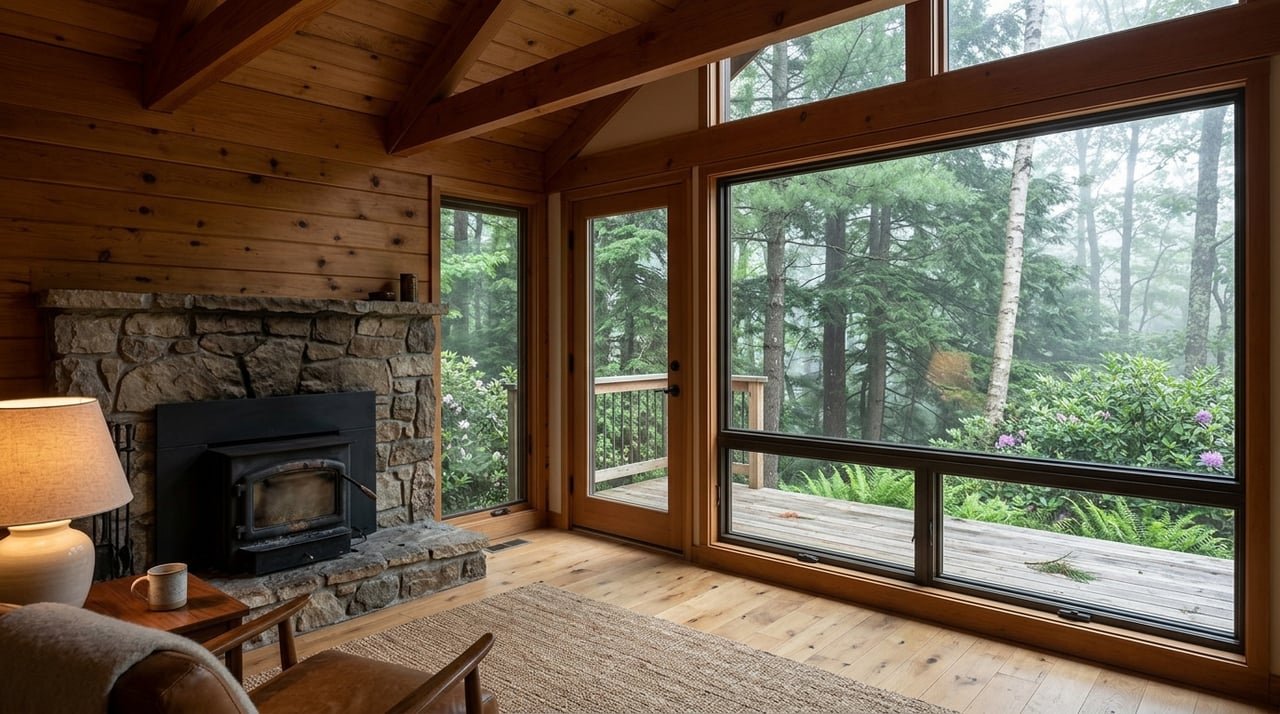
What Mountain Living In Boone Really Looks Like
June 4, 2026
June 4, 2026
If you picture Boone as nothing but postcard views and weekend getaways, you are only seeing part of the story. Living here is beautiful, but it is also practical, seasonal, social, and shaped by the pace of a real mountain town with a strong college presence. If you are wondering what day-to-day life actually feels like in Boone, this guide will help you picture the rhythm more clearly. Let’s dive in.
Boone is a small town by population, with an estimated 19,929 residents as of July 1, 2025. At the same time, Appalachian State University enrolls more than 21,000 students across its Boone and Hickory campuses, which gives the area more energy and activity than many people expect from a town this size.
That mix shapes daily life in noticeable ways. You get the feel of a smaller mountain community, but with a stronger downtown pulse, more movement during the school year, and more options for events, food, and public gathering spaces than a typical small town might offer.
A lot of Boone’s public life appears to gather around downtown, the Jones House, and the local park and greenway system. That pattern comes through in the town’s event calendar, live music programming, and public spaces.
For many residents, that means errands, coffee, community events, and time outside can all fit into the same part of town. Instead of mountain scenery being separate from everyday life, it tends to blend right into the routine.
Boone’s university presence adds movement and variety to the week. Depending on the season, you may notice a livelier feel around downtown, more people at restaurants and events, and a busier overall atmosphere than Boone’s population count alone would suggest.
For some buyers, that energy is a big plus. For others, it is simply something to understand upfront so your expectations match the town’s true personality.
The Town of Boone says AppalCART offers free transit for Boone and Watauga County residents. That is a meaningful part of local life, especially in a place where downtown activity, campus presence, and community destinations are closely connected.
If you are trying to imagine everyday convenience, that matters. Free local transit can make it easier to get around town, spend time downtown, and build a routine that does not always depend on hopping in the car for every stop.
In Boone, the weather is not background noise. It affects how you plan your week, how you use your outdoor space, what routes you take, and what kind of home features may matter most to you.
Boone 1 SE sits at 3,100 feet, and NOAA’s 1991 to 2020 normals show an annual mean temperature of 50.2°F. The same data shows 59.13 inches of annual precipitation and 25.6 inches of annual snowfall, with January averaging 31.5°F and July averaging 68.4°F.
One of Boone’s biggest lifestyle draws is that summer tends to feel comfortable rather than oppressive. With a July mean temperature of 68.4°F, warmer months are often more about enjoying the outdoors than hiding from the heat.
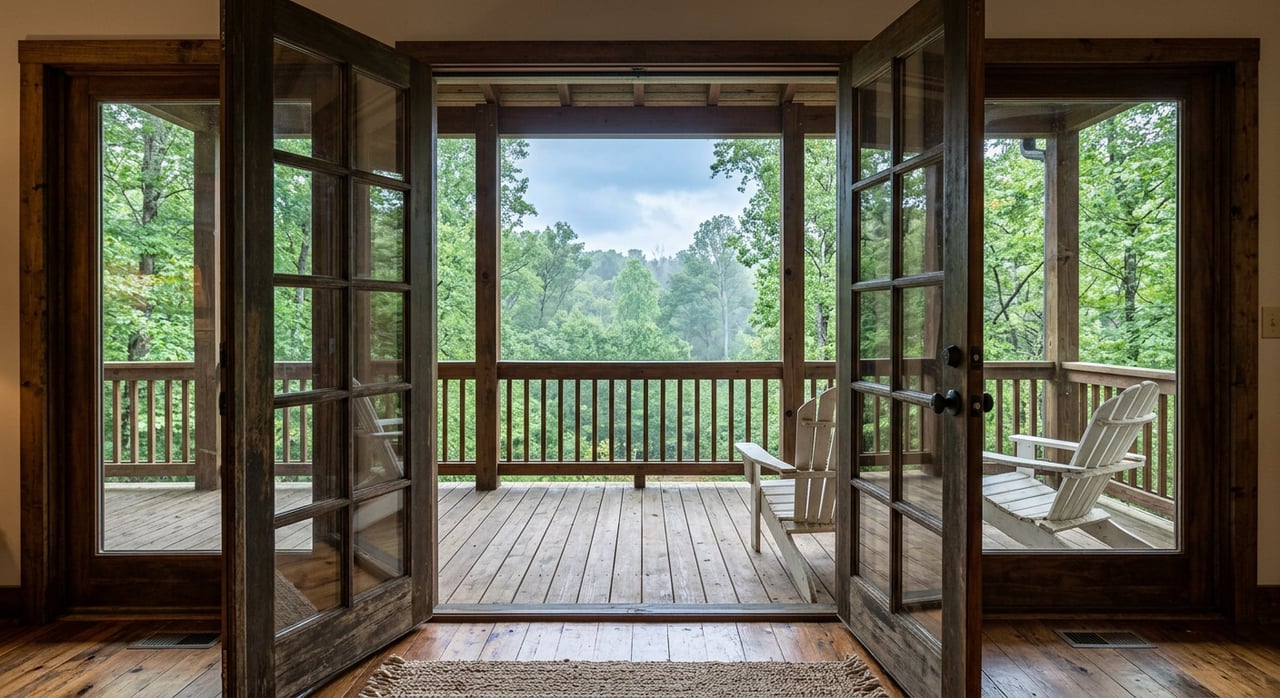
That can change how you use your time off and your property. Porches, decks, trails, and day trips become part of normal life, not just occasional treats.
Boone also gets real winter weather. With average annual snowfall of 25.6 inches, snow is part of the local experience, not just a rare event.
That can be exciting if mountain seasons are part of what draws you here. It also means winter readiness matters, from daily routines to travel expectations.
Spring and fall are not just pretty in Boone. They also affect traffic patterns, recreation, and how people use the area.
If you spend time on the Blue Ridge Parkway, the National Park Service says traffic is heaviest in June, July, August, and October, especially on weekends and holidays. Some sections can also close in winter because of ice and snow, so regular users learn to think seasonally.
In many places, outdoor recreation feels separate from ordinary life. In Boone, it is often woven into the week.
The area offers a wide range of hiking, from Appalachian Trail ridge walks and Blue Ridge Parkway outings to easier in-town options. One standout is the Boone Greenway, a fully accessible paved or gravel path that follows the South Fork of the New River.
When trails, greenways, and public outdoor spaces are close by, people tend to use them more often. A quick walk after work, a weekend morning outside, or a simple riverside outing can become a normal part of your schedule.
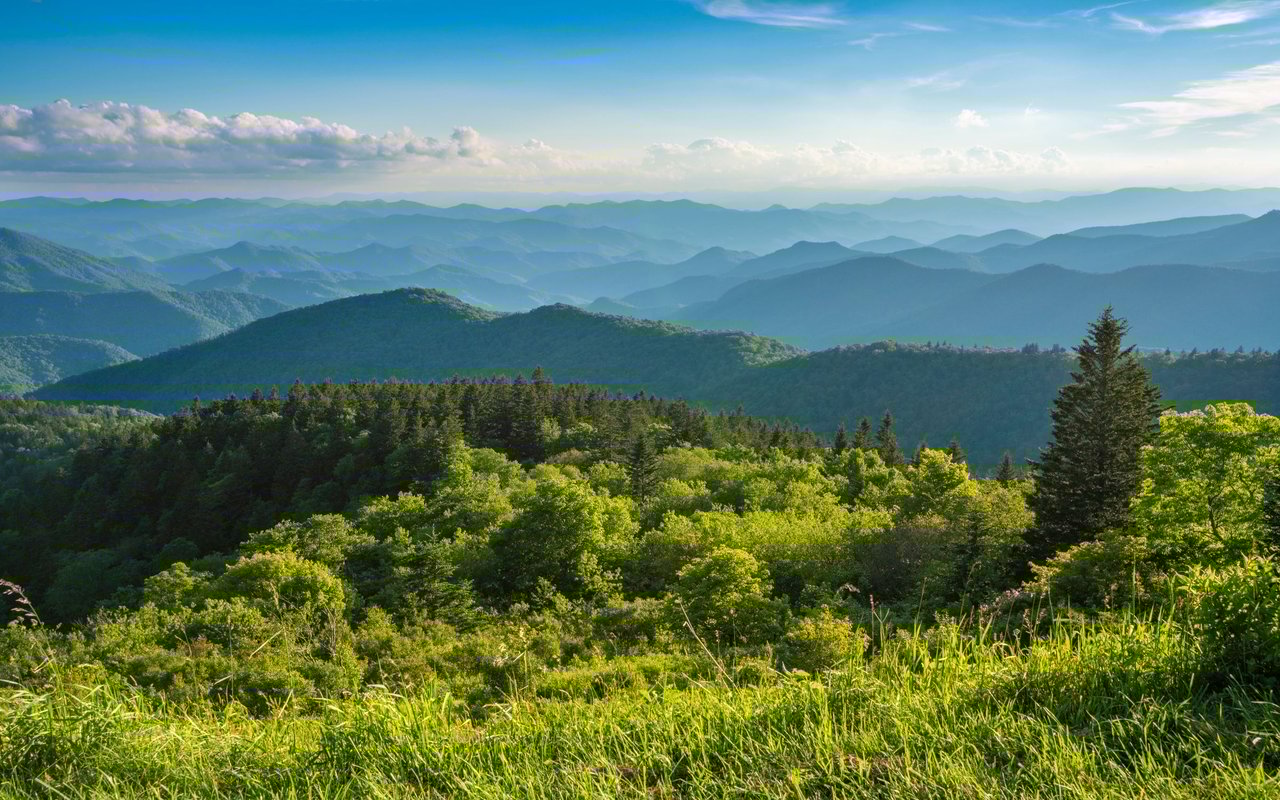
That is one of the clearest differences in Boone living. The scenery is not just something you admire from a distance. It becomes part of how you move through your day.
Boone also makes it easy to plan bigger outdoor outings without a long drive. Grandfather Mountain State Park is about 13 miles southwest of Boone and offers free hiking access to more than 13 miles of trail.
Elk Knob State Park is about 11 miles north of town and offers summit views, backcountry camping, and winter cross-country skiing and snowshoeing on an ungroomed trail. If you enjoy having both low-key and more ambitious options nearby, Boone gives you both.
Boone’s food scene is broader than many buyers expect. The official tourism site describes options ranging from barbecue and sushi to bistro fare, pub food, fine dining, family-style meals, modern mountain cuisine, Mexican food, steakhouses, vegetarian options, and restaurants featuring local produce, wines, cheeses, and meats.
That variety helps everyday life feel fuller. You do not have to leave town to find different kinds of dining experiences, whether you want something casual, local, or a little more polished.
Boone also has a visible fresh-food culture. The Watauga County Farmers’ Market has operated since 1974 and runs on Saturdays at Daniel Boone Park.
King Street Market serves Boone’s weekday market crowd and moves indoors in winter. For many residents, markets are not just a novelty. They are part of the weekly rhythm.
Boone’s social life is not limited to a few annual festivals. Music, arts, and recurring public events help create a regular sense of connection throughout the year.
The Jones House hosts weekly Thursday old-time jams, free Friday summer concerts, and indoor concerts during cooler months. It also supports monthly art crawls and music lessons, which gives the town an ongoing cultural rhythm rather than a once-in-a-while event calendar.
Boone also has recurring traditions that many residents and visitors look forward to. Official tourism listings include the Boonerang Music & Arts Festival, a free downtown street festival held each third weekend in June.
Nearby seasonal traditions also include Horn in the West at Daniel Boone Park and the Roots in the Garden summer concert series at Daniel Boone Native Gardens. These events add texture to the year and help define what local life feels like beyond work and errands.
For many people, living in Boone likely means a mix of quiet home time, downtown stops, trail access, changing weather, and community events. That picture is an inference drawn from the town’s greenway, parks, transit service, and event calendar, but it is a helpful one for buyers trying to imagine the reality.
In practical terms, Boone combines a compact population, a major university, free local transit, and easy access to both everyday recreation and larger outdoor adventures. The clearest takeaway is simple: in Boone, mountain scenery and community life are not extras. They are built into the routine.
If you are thinking about a move to Boone or the surrounding High Country, having a local guide matters. A-1 Mountain Realty offers hands-on, relationship-driven service to help you find the right fit for the way you want to live.
Stay up to date on the latest real estate trends.
We pride ourselves in providing personalized solutions that bring our clients closer to their dream properties and enhance their long-term wealth. Contact us today to discuss all your real estate needs!
PHYSICAL ADDRESS: 1 N Jefferson Ave West Jefferson NC 28694 MAILING ADDRESS: PO Box 828 West Jefferson NC 28694