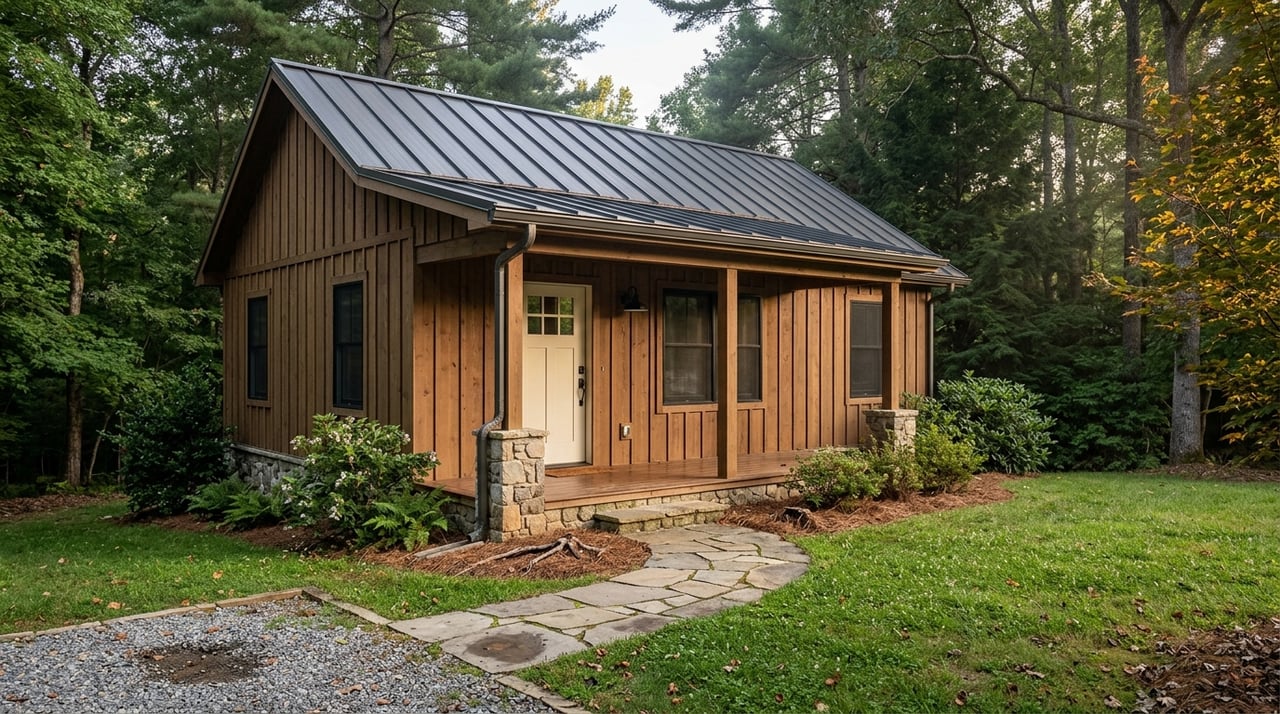
Relocating To Wilkesboro: A Guide For New Residents
April 16, 2026
April 16, 2026
Thinking about a move to Wilkesboro or North Wilkesboro? If you are coming from a larger North Carolina city, the change can feel refreshing and a little unfamiliar at the same time. The good news is that with the right expectations around housing, commute patterns, and daily life, you can make a smart move with confidence. Let’s dive in.
One of the biggest draws is affordability. According to the U.S. Census QuickFacts for Wilkes County, the county’s median owner-occupied home value was $168,800 in 2024, with a median gross rent of $723. That compares with much higher housing costs in Charlotte, Winston-Salem, and Greensboro.
For many buyers, that means your budget may stretch further here than it would in a larger metro. At the same time, you are not moving into a big urban market with endless inventory. Wilkesboro and North Wilkesboro offer a smaller-scale housing landscape, so your home search often depends on very specific locations and available listings.
If you are new to the area, it helps to think less in terms of large city neighborhoods and more in terms of town centers and nearby county communities. Local housing searches often revolve around town-center Wilkesboro, town-center North Wilkesboro, and surrounding areas tied to daily driving routes and school assignments.
That local setup fits how the area functions. The towns share important community features, including the Yadkin River Greenway, which connects the downtown districts of Wilkesboro and North Wilkesboro across 7.5 miles. For many new residents, that connection helps make the area feel cohesive while still keeping a small-town pace.
Relocating buyers should know that housing data can look different depending on whether you are viewing home values, listing prices, or closed sales. For example, Zillow’s Wilkesboro data showed an average home value of $269,956 as of March 31, 2026, with 63 for-sale listings and a median list price of $316,683.
The same research report notes that ZIP code 28659 and North Wilkesboro listing data can look different, with a $298,000 median listing price and 121 active listings in March 2026. Closed-sale numbers can also come in lower than asking prices, which is why this market can seem inconsistent at first glance.
The key takeaway is simple: price trends here are local. A home near town-center convenience may behave differently from a more rural county property, and list price does not always match the final sale price. That makes local guidance especially useful when you are comparing options.
Before you start touring homes, decide what kind of daily lifestyle you want. That choice can narrow your search much faster than filtering by price alone.
If you want easier access to downtown, parks, events, and the greenway, a town-center location may be the better fit. You may also prefer being closer to major roads, healthcare, and everyday errands.
If you want more space, a quieter setting, or a property outside the center of town, surrounding county areas may appeal to you more. Just remember that daily driving becomes a bigger part of life when you move farther from the core towns.
For most residents, driving is the default. North Wilkesboro notes that the town is served by US-421 and four state highways, with convenient access from Winston-Salem and Charlotte communities through its transportation and industrial access information.
Public transportation does exist, but it is more limited than in larger metros. The town points residents to the Wilkes Transportation Authority, as well as other transportation resources, but if you rely on bus-based commuting, you should confirm route availability before choosing a home location.
If you are moving with school-age children, confirm school assignment early in your home search. Wilkes County Schools serves the area and operates 94 bus routes each day, transporting about 5,000 students, according to the district’s official transportation and school information.
In the core Wilkesboro and North Wilkesboro area, nearby elementary schools include North Wilkesboro Elementary, C.C. Wright Elementary, and Wilkesboro Elementary. Nearby middle schools include North Wilkes Middle and Central Wilkes Middle, and Wilkes Central High serves several core communities.
One practical detail matters for relocating families: the district notes that approved school-of-choice placements do not include transportation. If you are considering school choice, factor that into your daily routine before you commit to a home.
Healthcare is an important part of any relocation decision, and Wilkes County offers solid resources for a smaller market. Atrium Health describes Wilkes Medical Center as an acute-care facility with 130 beds, including 10 skilled nursing beds, along with outpatient cardiology, hematology and oncology, and cardiac pulmonary rehabilitation services in its facility summary.
The area also has community-based care options. The Wilkes Community Health Center provides comprehensive primary and preventive care, and the Wilkes County Health Department states that it accepts Medicaid, North Carolina Health Choice, and private insurance while also offering a sliding fee scale.
A major part of settling into Wilkesboro is enjoying what is nearby. The area leans into outdoor recreation, civic spaces, and recurring local events rather than big-city entertainment districts.
The Yadkin River Greenway is one of the strongest lifestyle assets for new residents. It links the downtown areas and gives you a practical place to walk, bike, and explore the river corridor.
The towns also highlight local parks, trailheads, splash-pad or commons-style gathering spaces, and recurring events such as Concerts in the Commons and Movies on Main. If you enjoy a slower pace with easy access to community events, that is part of the appeal here.
For bigger outdoor days, nearby recreation includes W. Kerr Scott Dam & Reservoir for boating, camping, hiking, biking, and fishing, plus Stone Mountain State Park for hiking, waterfalls, camping, and rock climbing. Those destinations support the kind of outdoor-centered lifestyle many buyers want when they move to this part of North Carolina.
If you are relocating to Wilkesboro, a little upfront planning can save you time and frustration. The most useful sequence is to define your preferred setting, confirm practical daily needs, and then compare the right housing data.
A simple relocation checklist looks like this:
Life in Wilkesboro and North Wilkesboro is often more location-specific than newcomers expect. Small differences in road access, school assignment, and distance to town can affect your day-to-day experience more than they might in a large city.
That is why a successful move here is not just about finding a house. It is about matching your property to the way you want to live, whether that means being near downtown, staying close to outdoor recreation, or choosing a quieter county setting with more breathing room.
If you are planning a move and want practical local insight as you compare properties and communities, A-1 Mountain Realty is here to help you take the next step with confidence.
Stay up to date on the latest real estate trends.

We pride ourselves in providing personalized solutions that bring our clients closer to their dream properties and enhance their long-term wealth. Contact us today to discuss all your real estate needs!

PHYSICAL ADDRESS: 1 N Jefferson Ave West Jefferson NC 28694 MAILING ADDRESS: PO Box 828 West Jefferson NC 28694