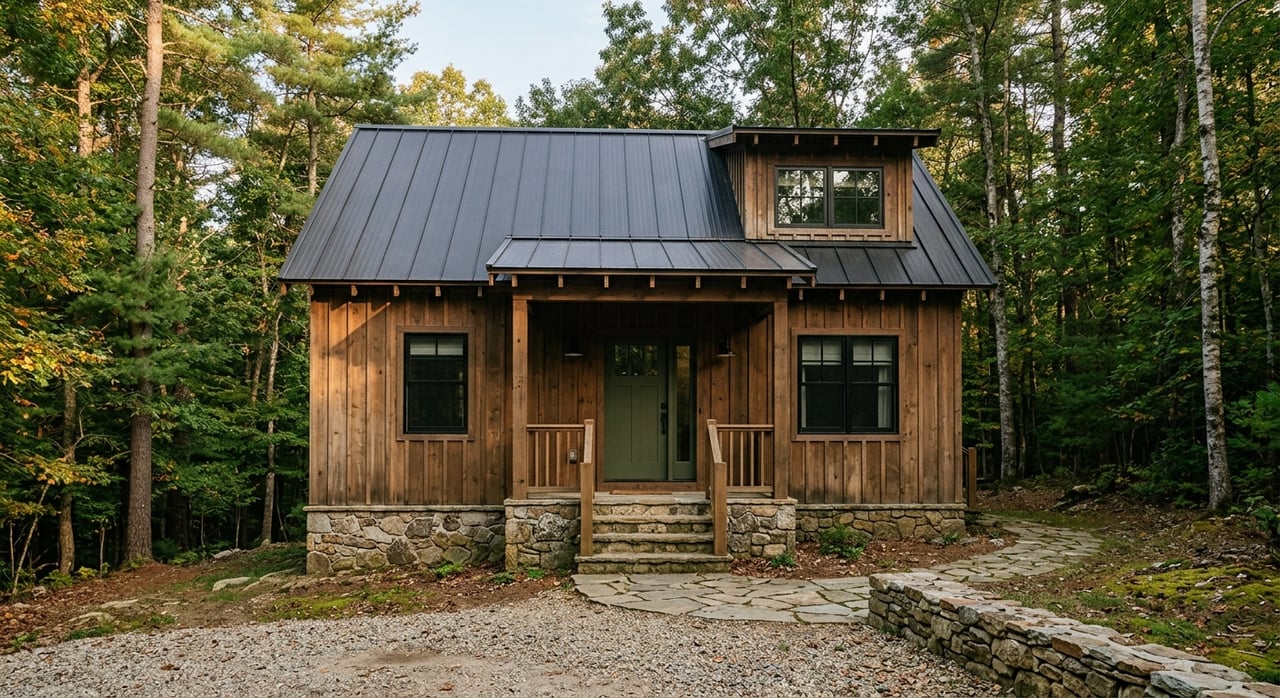
Boone Housing Options For Year-Round Buyers
May 28, 2026
May 28, 2026
If you want to live in Boone full time, the biggest question is not just what can you afford. It is also what kind of daily life you want. Between downtown access, university activity, transit, parking, zoning, and mountain-property logistics, Boone gives year-round buyers several very different paths. This guide will help you understand the main housing options in Boone, what trade-offs come with each one, and what to check before you make a move. Let’s dive in.
Boone is the seat of Watauga County and home to Appalachian State University, so the market is shaped by more than scenic appeal alone. Year-round demand comes from residents, university-related activity, and local government presence, which can make location matter a lot in everyday life.
That shows up in practical ways. Downtown parking policies, campus-area traffic patterns, and fare-free AppalCART fixed-route transit all affect how convenient a home feels once you actually live there. For many buyers, that means the right property is not just about square footage. It is about how easily you can get where you need to go.
Recent market snapshots also suggest Boone remains competitive, but somewhat more buyer-friendly than in prior years. Spring 2026 figures vary by source, with reported median sale or listing prices ranging from the high $300,000s into the low $400,000s, while average home value estimates run higher. In simple terms, many buyers should expect Boone’s common price range to land somewhere from the high-$300,000s to mid-$400,000s depending on the property type and data source.
If you want shorter drives and easier access to downtown Boone, in-town cottages and smaller homes are often the most natural fit. The town’s zoning summary includes several lower-density residential districts, such as R1, R1S, and R1A, that align with this style of housing.
These properties often appeal to buyers who want a more traditional neighborhood setting and easier access to shops, services, parks, or campus-adjacent destinations. In many cases, you may trade a larger lot for convenience and a simpler daily routine.
Older in-town homes can also carry extra character, especially near the Downtown Boone Local Historic District. For buyers who enjoy established streets and historic architecture, that part of Boone can be especially appealing. It is smart, though, to pair that charm with careful review of parking, lot size, and any property-specific restrictions.
Some buyers want flexibility rather than just a standalone single-family layout. Duplexes and other small multifamily options can offer room for extended household needs, a separate living area, or a lower-maintenance setup, depending on the property.
In Boone, this choice comes with an important caveat. The town’s occupancy rules are unusually important, and many districts allow only one family or up to two unrelated persons. Certain districts, including R3, B3, and M1, allow one family or up to four unrelated persons.
That means you should never assume a property will work for your long-term plans without checking the zoning first. If you are considering a home with a separate unit or thinking about future flexibility, this is one of the first issues to confirm.
Boone also offers housing types that expand the range of price points and lifestyle choices. The town’s zoning summary includes R5 55+ Housing Residential and MH Manufactured Home Park districts.
For year-round buyers, that matters because it creates options beyond the usual detached-house search. Depending on your goals, these properties may offer a more manageable footprint, a different maintenance profile, or a more accessible price point than some traditional in-town homes.
As with any Boone property, it is still wise to verify exactly how the parcel is zoned and what is permitted. The value here is choice. Boone is not limited to one housing pattern, and that can open doors for buyers with a specific budget or lifestyle goal.
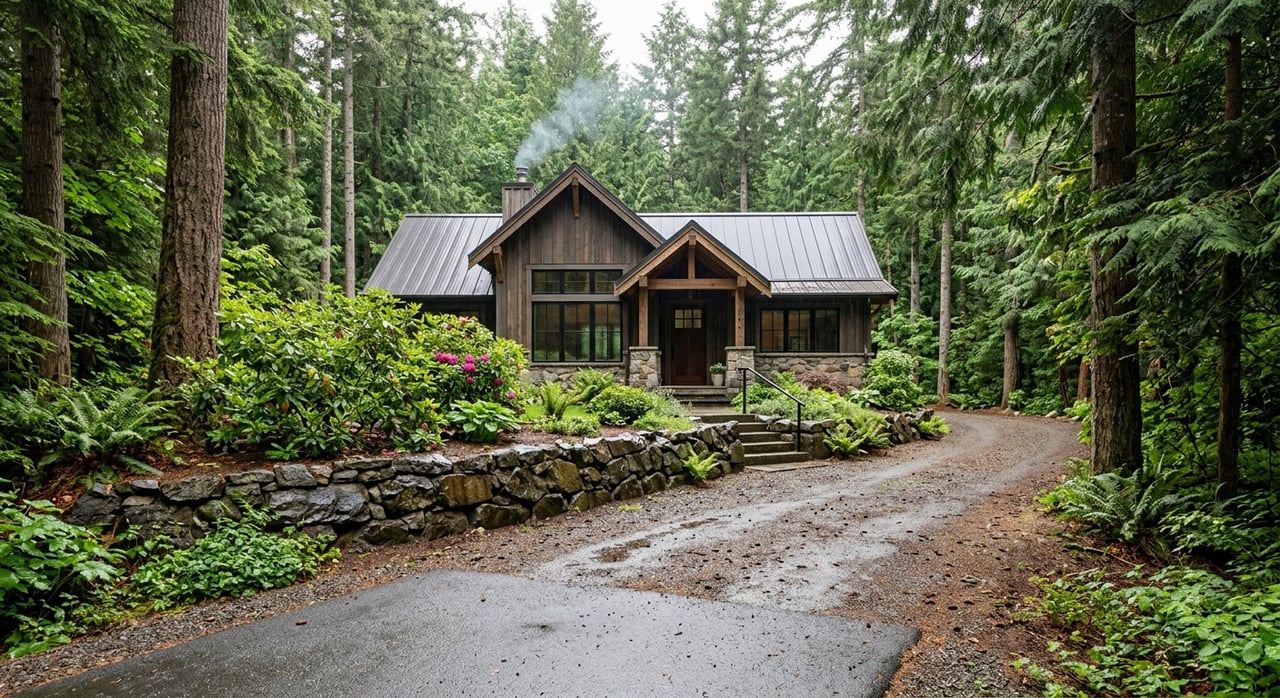
If your picture of mountain living includes more land, more privacy, or a home tucked farther from the center of town, edge-of-town properties may be the best fit. Boone’s zoning summary includes RA Residential Agriculture, which is one of the categories most relevant to buyers seeking larger lots or a mountain-edge setting.
These homes can offer breathing room that is harder to find closer to downtown. You may get more outdoor space, more separation from neighbors, and a setting that feels more connected to the landscape.
The trade-off is that rural or edge-of-town properties usually require more due diligence. Water supply, sewage disposal, drainage responsibility, and floodplain considerations can all play a bigger role in your decision than they would for a more typical in-town home.
If you want the most walkable version of Boone, look closely at downtown and the Appalachian State-adjacent core. Boone’s pedestrian planning connects downtown, parks, residential areas, restaurants, and other destinations through sidewalks, greenways, crosswalks, and related pedestrian features.
That setup can make daily life easier if you want to reduce drive time and stay close to everyday destinations. It also pairs well with fare-free AppalCART fixed-route service for Boone and Watauga County residents.
For many full-time buyers, that combination is a major quality-of-life factor. It often points toward smaller lots, older cottages, and denser in-town housing rather than private mountain tracts.
Parking is part of the Boone lifestyle equation too. The town manages downtown metered parking on weekdays, and free downtown parking is available on Sundays.
There is also a student parking lot with 242 spaces rented on the Appalachian State school-year schedule. While that lot serves a specific need, it also reflects a broader point for buyers: campus activity can shape traffic, parking pressure, and the feel of nearby areas during the academic year.
If you are deciding between a downtown-adjacent home and one farther out, this is worth keeping in mind. A quick drive through the area at different times of day can help you understand how that location functions in real life.
Some Boone neighborhoods fall within Neighborhood Conservation Districts, often called NCDs. The town says these districts exist in certain residential areas to promote public health, safety, welfare, low-density family living, and property-value preservation.
The town lists brochures for areas including Beverly Heights, Blanwood Drive, Forest Hill Drive, Grand Blvd, Grandview Heights, Junaluska, Queen/Green Street, and Stadium Drive. If a property is in one of these areas, there may be added rules that affect your plans.
For example, occupancy is limited to one family or up to two unrelated persons in NCD areas. Renters must register parking stickers, and owners living more than 50 miles away must name a local managing agent in Watauga County. These details may not matter to every buyer today, but they can matter a great deal later.
In Boone, zoning is not a background detail. It is one of the most important parts of the buying process.
Before you commit to a property, verify the zoning district and confirm whether the parcel sits inside Boone’s corporate limits or within a Neighborhood Conservation District. The town’s GIS resources can help with that step. This is especially important if you want an accessory living setup, are comparing single-family and multifamily options, or may want rental flexibility later.
For mountain and edge-of-town properties, utility and site questions deserve extra attention. The Town of Boone requires every principal use and every subdivision lot to have an adequate sewage-disposal system and water supply system that complies with applicable health regulations.
The town also notes that private drainage maintenance is the owner’s responsibility. That may sound like a technical issue, but it can affect cost, upkeep, and peace of mind over time.
When you tour properties with more land or a more rural feel, ask clear questions about water, sewer, drainage, and access. A beautiful setting is a real asset, but only if the property works well for daily living.
Flood exposure is another item you should not skip. Boone requires floodplain development permits before work in special flood hazard areas, and the town directs buyers to locate the parcel on the Flood Insurance Rate Map before development or renovation begins.
The town also states that standard homeowner policies do not cover flood damage and that flood insurance is needed for that risk. If you are looking at homes near creeks, lower-lying areas, or sites with drainage concerns, this should be part of your review early in the process.
A lot of buyers like to keep future options open. In Boone, that means checking short-term-rental rules before you count on using a property as a rental later.
The town amended its development ordinance in December 2021 to create and modify homestay and vacation-rental standards. Permits and annual renewal are required for those uses, and the rules limit where short-term rentals are allowed while setting occupancy and management standards.
The practical takeaway is simple: do not assume a property can become a future short-term rental just because it seems like a good fit. Check the zoning and rules first.
If you want easier access, lower drive burden, and a more connected daily routine, in-town homes often make the most sense. That is especially true if walkability, downtown access, and transit matter to you.
If you want a traditional residential setting, some Boone neighborhoods may offer that feel, but you should review whether the home is in a Neighborhood Conservation District and what that means for occupancy, parking, and future management requirements.
If privacy, land, and a mountain-edge setting are higher priorities, edge-of-town homes may fit your goals better. Just be ready to spend more time on utilities, drainage, floodplain review, and other property-specific questions.
The best Boone housing option for a year-round buyer is the one that fits your actual day-to-day life, not just your wish list. When you line up location, zoning, and property type with how you plan to live, your search gets much clearer.
If you want help sorting through Boone housing options with practical local guidance, A-1 Mountain Realty is here to help you compare properties, understand the trade-offs, and find the right fit for full-time mountain living.
Stay up to date on the latest real estate trends.

We pride ourselves in providing personalized solutions that bring our clients closer to their dream properties and enhance their long-term wealth. Contact us today to discuss all your real estate needs!

PHYSICAL ADDRESS: 1 N Jefferson Ave West Jefferson NC 28694 MAILING ADDRESS: PO Box 828 West Jefferson NC 28694