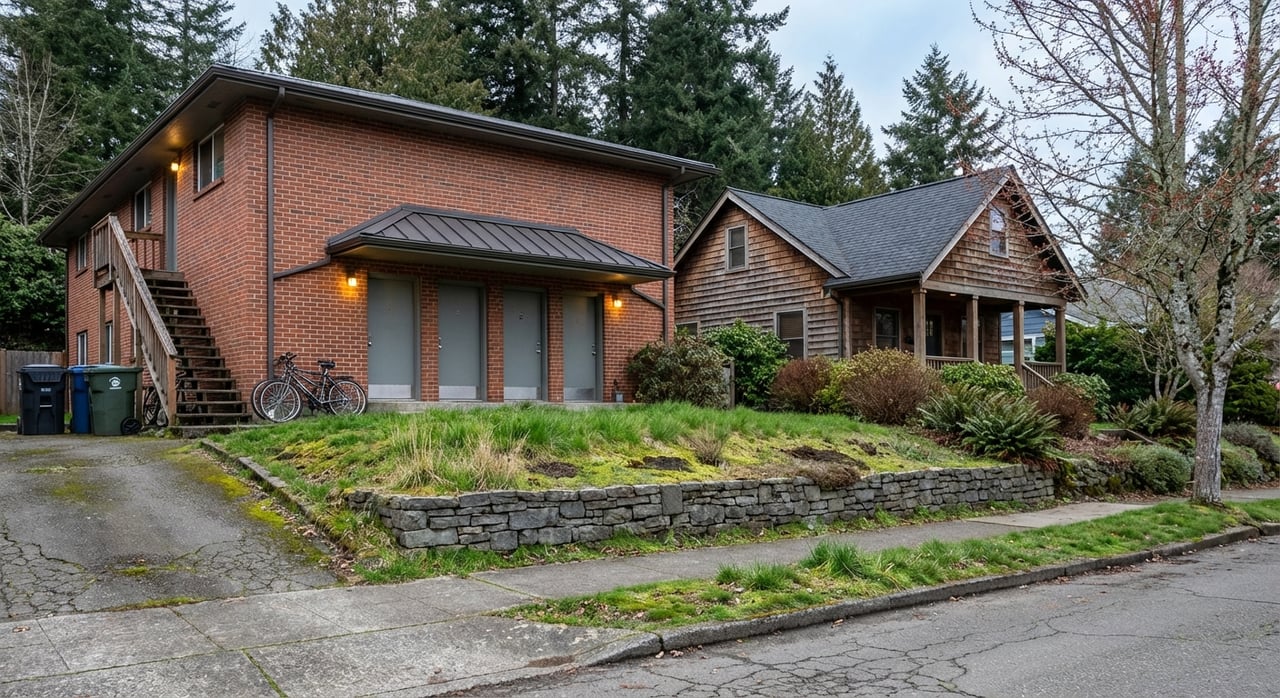
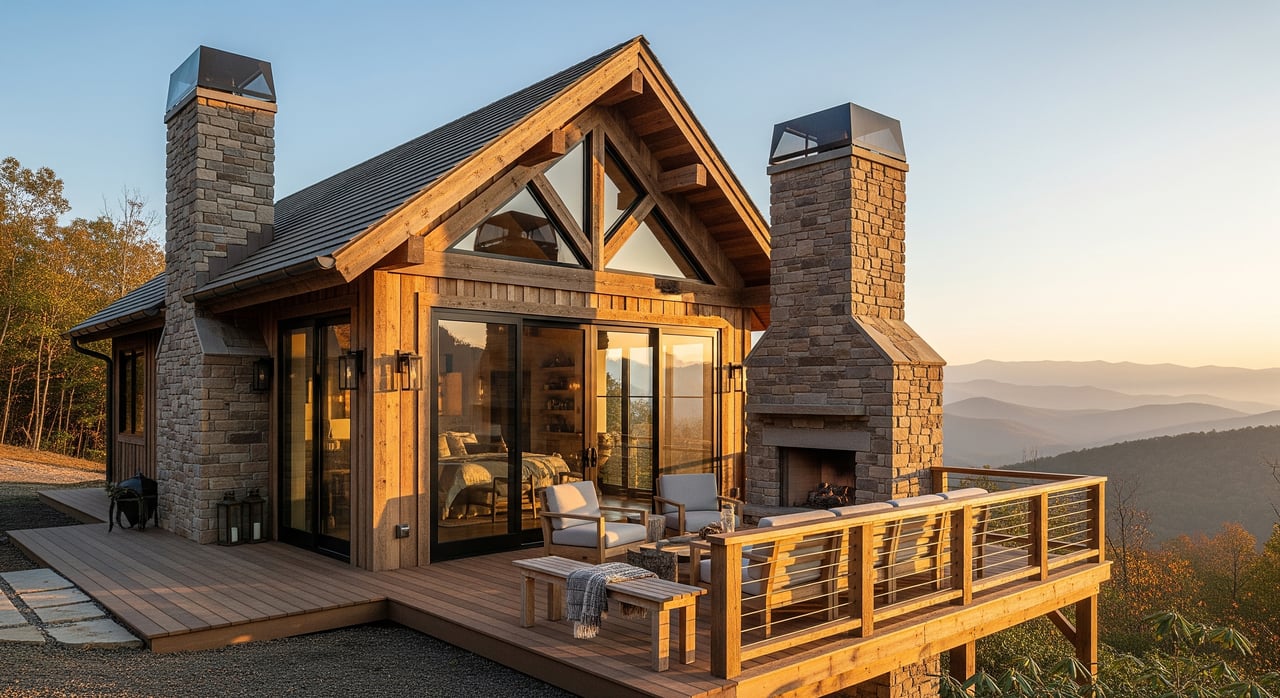
Dreaming of buying in Lansing with little to no money down? If you plan to live in the home full time and like the idea of a quiet mountain setting, a USDA home loan could be a fit. Many parts of Ashe County qualify, but not every address does. In this guide, you will learn how USDA loans work in 28643, how to check address and income eligibility, what properties qualify, and the steps to get pre‑qualified with confidence. Let’s dive in.
What a USDA loan offers
USDA Single Family Housing loans are designed for primary residences in eligible rural areas. The standout benefit is the potential for 0% down payment on a fixed-rate mortgage. For many buyers in Lansing and nearby communities, that makes homeownership more accessible.
There are two main USDA pathways. The Guaranteed Loan Program is the most common for purchases and works through approved lenders. The Direct Loan Program is offered by USDA Rural Development to very low- and low-income borrowers and follows different rules. Most buyers around Ashe County use the Guaranteed program.
Where USDA loans work in 28643
USDA defines “rural” at the address or census-tract level. That means eligibility is not automatic for an entire town. Much of Ashe County is rural, and many addresses around Lansing are often eligible. Still, every property must be checked individually.
To verify a specific home, use the USDA Rural Development property eligibility lookup on their website. Enter the exact address to see a clear yes or no. You can also ask a lender or a local agent who works with USDA loans to confirm quickly.
Typical patterns around Lansing
In the NC High Country, smaller towns and countryside areas commonly qualify. Addresses near denser town centers or close to larger communities may not. If you are eyeing a property along a main corridor or near a town center, run it through the eligibility lookup before you fall in love.
Income basics in Ashe County
USDA also checks your household income against area limits. Limits vary by program and change each year. The Guaranteed Loan Program uses higher limits than the Direct Loan Program, and the allowable amount increases with household size.
USDA counts the total income of everyone in the household, not just the people on the loan. Some deductions or exclusions may apply based on household members and circumstances. Because limits and rules can change, the best approach is to use USDA’s income limits lookup for Ashe County and confirm the current program year.
Household size and deductions
Household size matters. Larger households have higher income limits. Lenders apply USDA’s calculation method, which can include certain deductions, such as for minor children or eligible child care costs. If your income is close to the limit, a lender’s review can clarify where you stand.
What properties qualify
USDA loans focus on homes you will live in as your primary residence. Typical eligible options include:
- Single-family houses on modest lots
- Some townhomes and condominiums that meet program rules
- Modular homes that are permanently sited
- Manufactured homes that meet HUD and USDA requirements and are permanently affixed
Properties that do not qualify include investment homes, vacation homes, and homes primarily used for income production. Large acreage used for commercial agriculture is not eligible. If a home needs major repairs to meet health and safety standards, those issues may need to be corrected before closing.
Condition and appraisal expectations
Your lender will order an appraisal that also checks for minimum property standards. If the appraiser flags a health or safety concern, the seller may need to complete repairs before closing. In limited cases, an escrow holdback may be possible. Plan time for repair coordination if the home needs work.
Borrower requirements and costs
- Down payment: The USDA Guaranteed Loan program is designed to allow 0% down for eligible buyers.
- Credit and underwriting: USDA sets program guidelines, but lenders set many specifics. Many lenders prefer mid-600s credit scores for automated approvals, though lower scores may be considered with strong compensating factors.
- Debt-to-income: Lenders use USDA guidance and their own overlays. Ratios can vary based on the borrower’s profile.
- Fees: USDA guaranteed loans include an upfront guarantee fee that can often be financed and an annual fee paid monthly. Fee amounts can change, so confirm current numbers with your lender.
- Interest rates: Rates track the broader market and can differ by lender and your credit profile.
- Closing costs: Expect standard costs like appraisal, inspections, and prepaids. Sellers can often contribute to buyer closing costs within USDA rules, so discuss options when you write an offer.
Step-by-step: Get pre‑qualified in Lansing
Use this simple workflow to move forward with clarity.
- Confirm your plan
- Will you live in the home full time as your primary residence?
- List all household members and estimate total income.
- Check property eligibility early
- Use the USDA property eligibility lookup to confirm the exact address.
- Ask your agent or lender to help confirm before you submit an offer.
- Contact an approved USDA lender
- Look for lenders experienced with USDA loans in Ashe County. Local community banks and mortgage brokers often know the program well.
- Ask about estimated payments, closing costs, and any lender overlays.
- Gather documents for pre‑qualification
- Government photo ID and Social Security numbers
- Recent pay stubs for 30 days and W‑2s for the past 2 years
- Federal tax returns if self‑employed or with multiple income sources
- Two months of bank statements for all accounts
- A list of monthly debts and any additional income documentation
- Address history and landlord contact if applicable
- Documents for gifts or court-ordered obligations when relevant
- Get pre‑qualified or pre‑approved
- The lender reviews your info, pulls credit, and issues a letter.
- Pre‑approval is stronger than pre‑qualification because the lender verifies income and debts.
- Make sure the lender confirms property eligibility as part of the process.
- Shop homes and make an offer
- Work with an agent who can spot USDA-friendly listings and check addresses.
- If a home is manufactured or a condo, confirm program requirements with your lender early.
- Appraisal, underwriting, and closing
- The lender orders the appraisal and completes underwriting.
- If the appraiser notes repairs for USDA standards, negotiate solutions with the seller.
- Closing timelines often mirror conventional loans, typically about 30 to 60 days, depending on approvals and any repair items.
Finding eligible listings around Lansing
- Ask your agent to filter for USDA-eligible listings when possible.
- Always verify by running the exact address through the USDA lookup.
- Focus on single-family homes on modest lots or country homes that appear residential in use.
- Be cautious with listings marketed as income properties or multi-unit. These are not eligible for USDA financing.
Timelines and how to avoid delays
- Check address eligibility before you submit an offer.
- If you are considering a manufactured home, verify it is permanently affixed and meets HUD and USDA standards. Confirm age, title, and foundation details early.
- If the home needs repairs, get repair quotes and timelines immediately so both sides can plan.
- For condos, ask your lender about project approval. Pre-checking can save weeks.
Local guidance you can trust
Buying in the High Country is easier when you have a local guide who knows the roads, the neighborhoods, and how USDA loans work here. Our team lives and works in Ashe County every day. We can help you target eligible areas, connect with lenders who regularly close USDA loans, and write offers that keep you on schedule.
Ready to explore USDA-friendly homes around Lansing? Reach out to A-1 Mountain Realty to schedule a free consultation.
FAQs
Is a Lansing, NC address automatically USDA eligible?
- No. Many areas in 28643 are likely eligible, but USDA decides eligibility by exact address. Always check the property through the USDA lookup or with an experienced lender.
How do income limits work for Ashe County?
- USDA compares your total household income to area limits that vary by household size and program. Limits change each year, so use the USDA income limits lookup for the current numbers.
Can I buy a manufactured home with a USDA loan in 28643?
- Possibly. It must meet HUD and USDA standards, be permanently affixed, and satisfy lender requirements. Confirm details with your lender before you make an offer.
Do I need a down payment for a USDA loan?
- The USDA Guaranteed Loan program is designed for 0% down for eligible borrowers. You still need to plan for closing costs unless covered by seller credits or other assistance.
How long does a USDA loan take to close in Ashe County?
- Timelines often resemble conventional loans, typically about 30 to 60 days. Condo approvals, manufactured home documentation, or required repairs can add time.
Can the seller pay my closing costs on a USDA loan?
- Yes, sellers can contribute within USDA guidelines. Discuss allowable concessions with your lender and agent before you write the offer.