Trying to make sense of the West Jefferson housing market? You are not alone. Small mountain towns move differently than big cities, and a few sales can shift the picture fast. In this guide, you will learn how the market works here, what to watch in the numbers, when activity tends to peak, and how to make smart moves as a buyer or seller. Let’s dive in.
What makes West Jefferson different
West Jefferson sits inside a rural, mountain county with a limited number of homes for sale at any given time. That small sample size means a single cabin with a big view or a large acreage parcel can sway the stats from one month to the next.
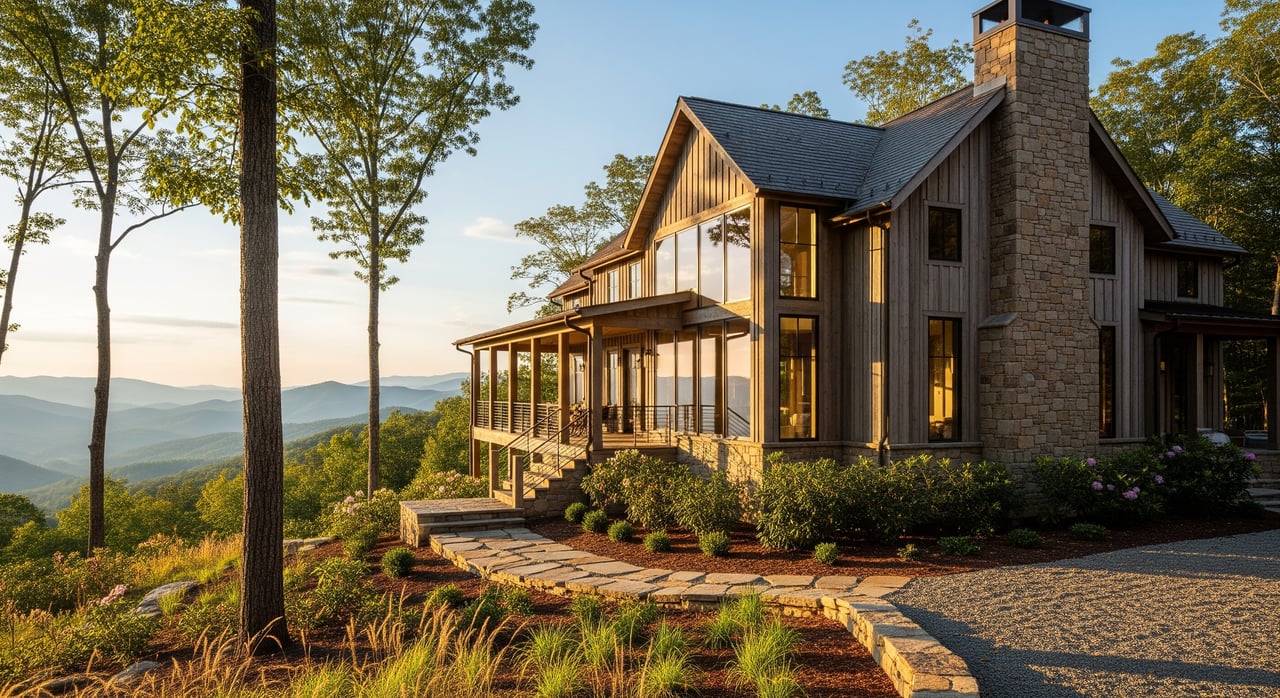
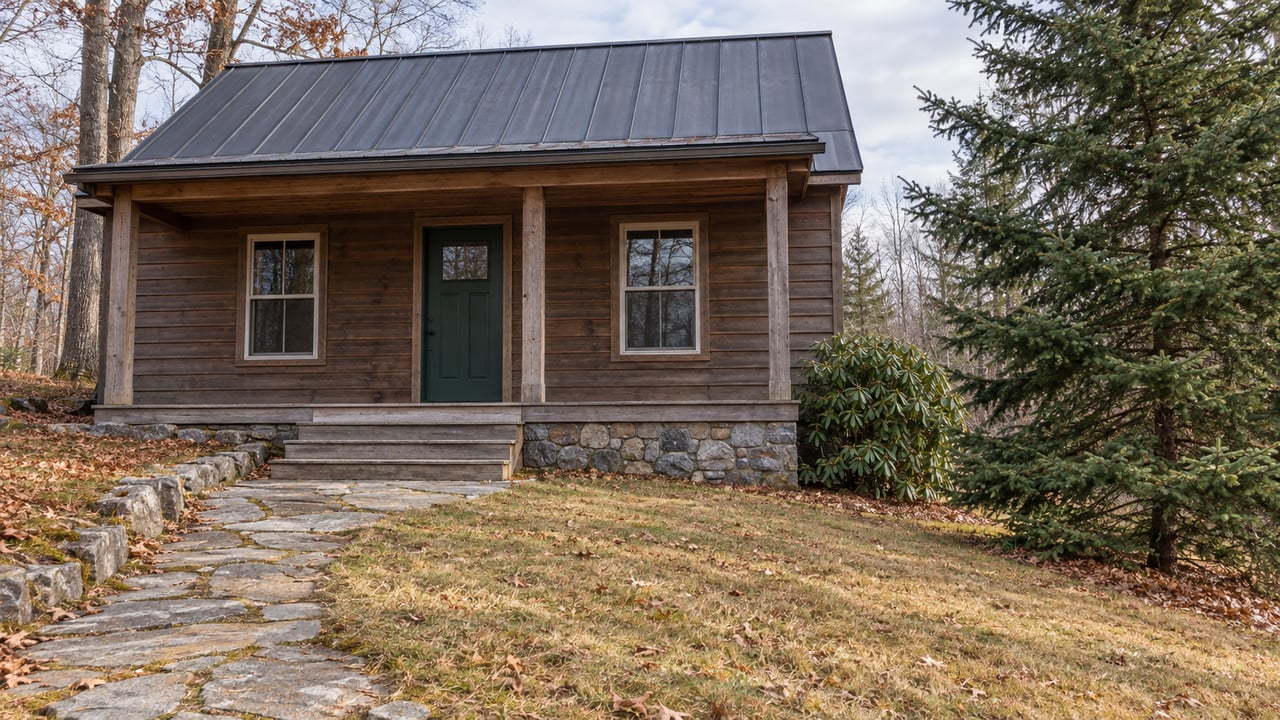
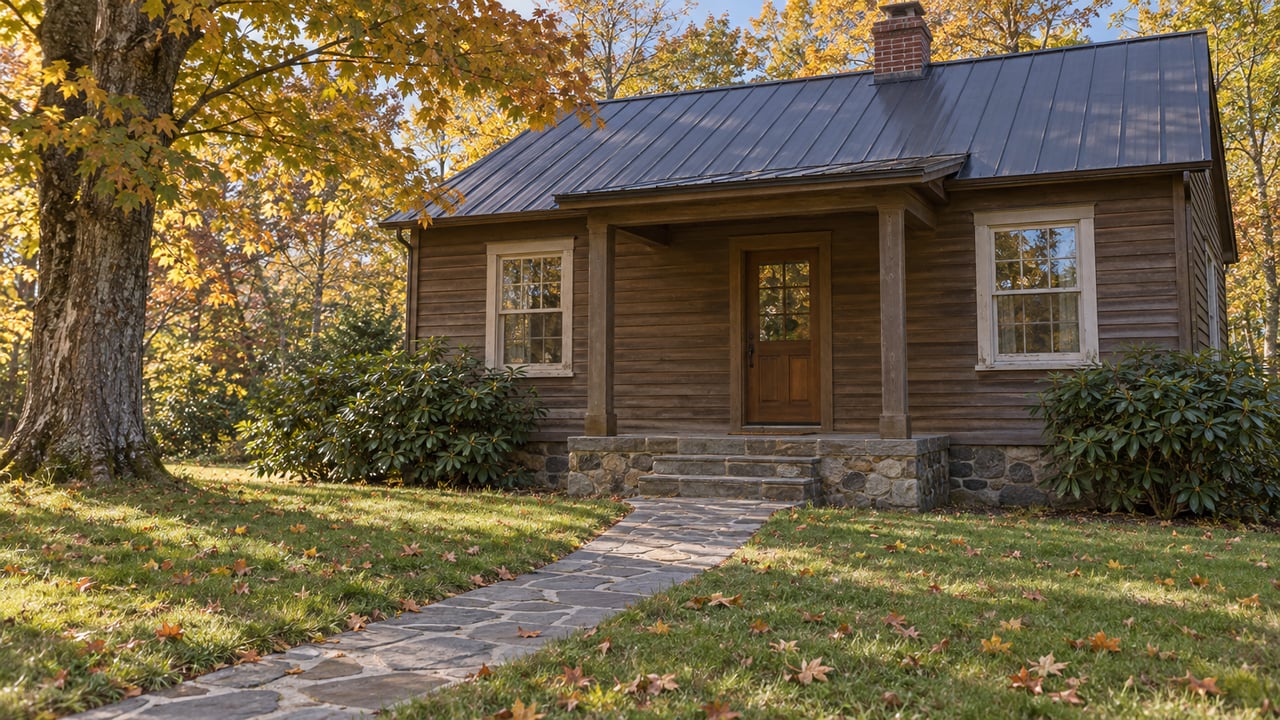
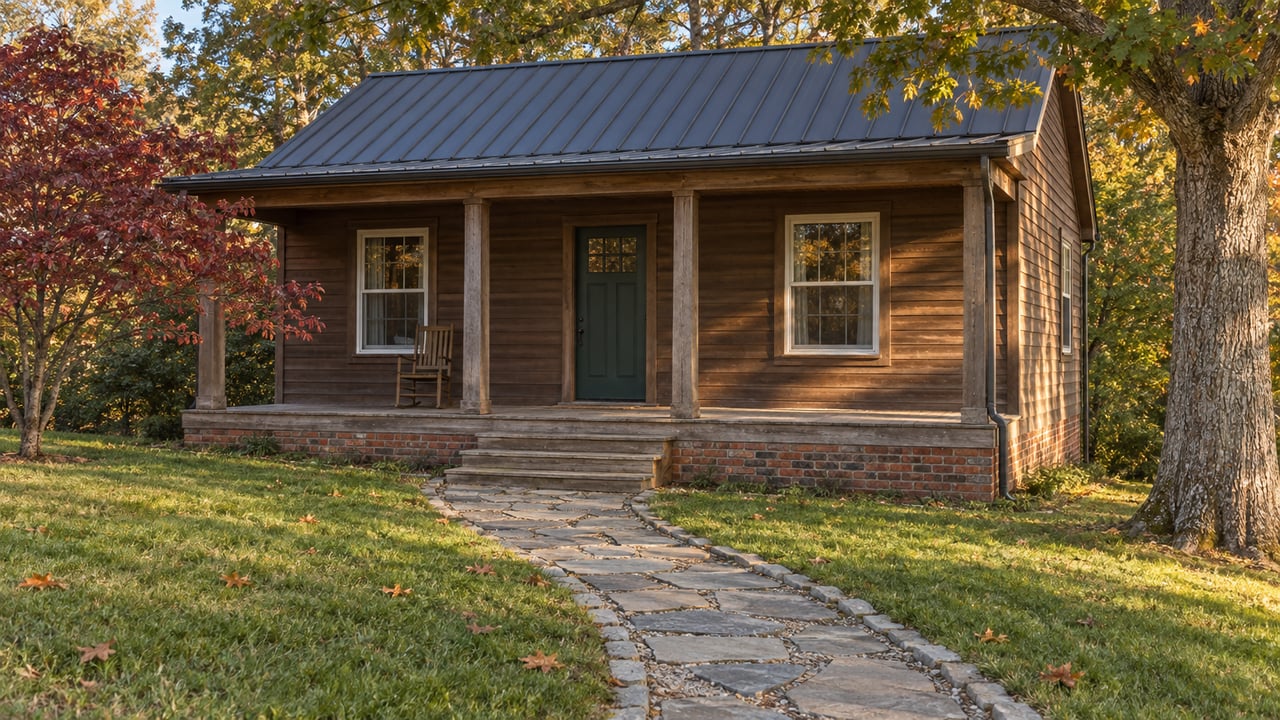
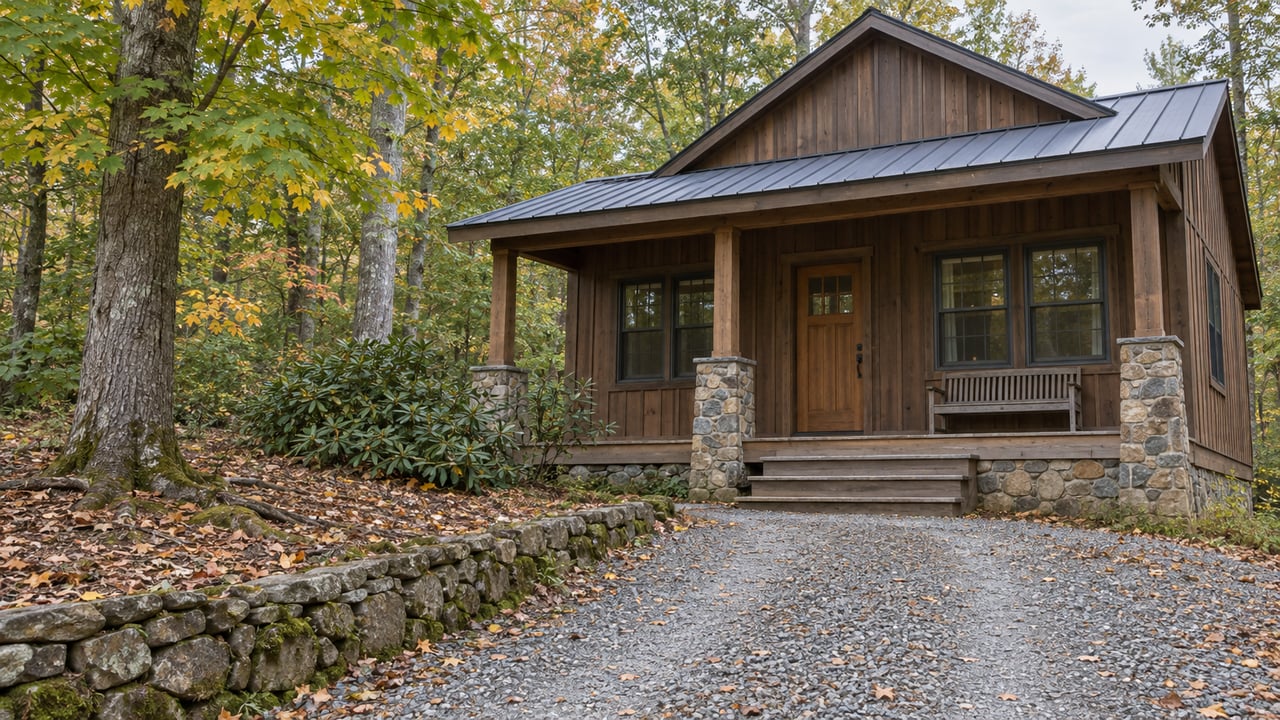
You will see a wider mix of property types than in suburban areas. Think in-town single-family homes, log cabins, renovated farmhouses, manufactured homes, and land from small lots to larger acreage. Utilities, road access, and terrain matter more here and can affect timing and price.
Local permitting and site conditions also play a bigger role. Many homes rely on private wells and septic systems. Building on steep terrain may require engineering, and private roads can add maintenance considerations. These factors can impact inspections and time to close.
Inventory and property types
Common property types in and around West Jefferson include:
- Single-family homes in town and nearby neighborhoods.
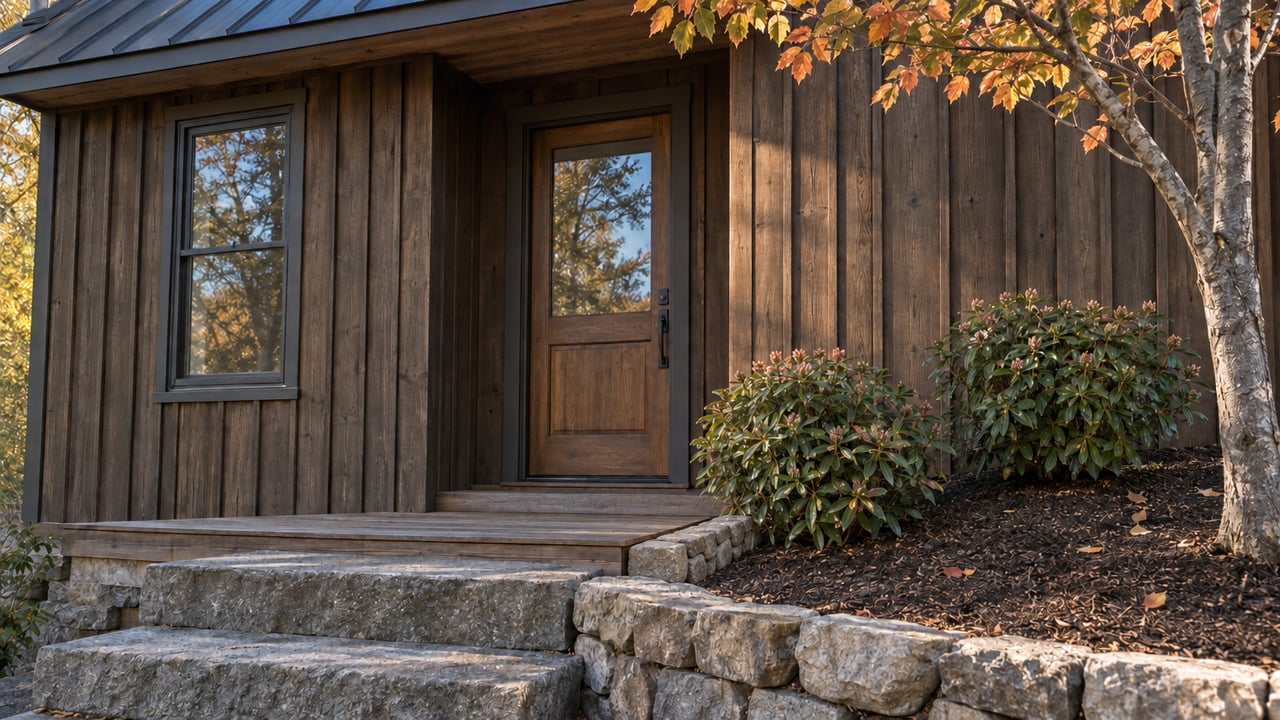
- Log cabins and cottages that attract second-home buyers.
- Renovated farmhouses and rural dwellings.
- Manufactured homes on private lots or in small parks.
- Land and acreage parcels, often 1 to 20-plus acres.
- Limited new construction, with custom builds affected by terrain and labor.
For sellers, well-presented homes near town or with scenic features can draw attention from out-of-area buyers. For buyers, limited inventory means you may need flexibility on timing and location, plus extra diligence on utilities and access.
Seasonal patterns and timing
Activity tends to rise in spring and early summer. You may also see a smaller bump in late summer and fall when cooler weather and leaf season bring more visitors. Winter is often the slowest period for new listings. Snow and ice can delay showings, inspections, and closings, but committed local buyers may find less competition.
Tourism and second-home demand can create short, busy windows. A well-priced cabin or an in-town home can receive strong attention, especially during peak visitor periods. If you plan to use a home as a vacation rental, confirm local rules and tax requirements before you buy.
Key metrics to watch
Watching the right numbers can help you read market balance and speed. Because this is a small market, use rolling 3 to 12-month views to smooth out noise.
Inventory and activity
- Active listings and new listings per month
- Closed and pending sales per month
- Months of inventory, or MOI, which is active listings divided by monthly closed sales
- Absorption rate, or monthly closed sales divided by active listings
In general, a lower MOI suggests a market that leans toward sellers, and a higher MOI suggests more options for buyers. Interpret with caution in a small market.
Pricing and market heat
- Median sale price and median list price
- Sale-to-list price ratio, the percentage of list price sellers achieve
- Price per square foot, with caution for land-heavy or highly renovated properties
Focus on trends over several months. One high-end cabin or a fixer-upper can skew a single month’s numbers.
Days on market
- Median days on market, plus the upper range to show how long slow-moving listings take
- Calendar patterns, such as longer times in winter and faster sales in spring and fall
If you are selling, track how long comparable homes take to go under contract. If you are buying, expect desirable listings to move faster during peak seasons.
Supply, demand, and affordability
- Year-over-year changes for listings and prices
- Inventory by price band, such as under $250k, $250k to $400k, and $400k plus
- Share of cash purchases vs financed sales, when available
These signals help you gauge competition in your target price range.
What this means for sellers
A thoughtful plan and accurate pricing are essential in a small market. Consider these steps:
- Prepare for rural due diligence. Gather septic records, well details, permits for renovations, and utility information.
- Price to the buyer pool you have, not the one you wish for. Lean on a local comparative market analysis.
- Showcase lifestyle and access. Highlight proximity to downtown West Jefferson, outdoor recreation, and winter access details.
- Stage for each season. Spring curb appeal, fall foliage views, and cozy winter photos can all help.
- Expect variable timelines. Strong listings can move quickly, but some properties require patience if they appeal to a niche audience.
What this means for buyers
Plan ahead and be ready to act when the right property appears.
- Get local pre-approval. Lenders familiar with rural loans and programs like USDA or VA can smooth the process.
- Build in extra due diligence. Budget time for septic inspections, water quality tests, and road maintenance checks.
- Confirm access and utilities. Private roads, driveway grades, broadband options, cell coverage, and utility providers matter.
- Watch seasonality. Spring and fall can feel competitive. Winter can be slower but may include weather delays.
- If you plan a short-term rental, verify local rules and lodging tax requirements before you buy.
Land and cabin buying checklist
Buying land or a mountain cabin requires a few extra steps. Use this quick checklist:
- Access and easements. Verify legal and practical access. Understand who maintains the road and snow removal.
- Septic and well. Order a septic inspection or soils feasibility review. Test private well water for quality.
- Topography and buildability. Assess slopes, drainage, and any engineering needs for future improvements.
- Permits and past work. Confirm building permits for prior renovations and check zoning and floodplain status.
- Insurance and utilities. Price homeowners coverage and confirm power, internet, and phone options.
How to gather current numbers
Because market figures change quickly, pull fresh data before you make decisions. Use these sources:
- Local MLS and the Ashe County Board of Realtors for active listings, closed sales, median prices, and days on market.
- Ashe County Planning and Inspections, the Health Department, and the Tax Assessor for permits, septic and well rules, and property records.
- U.S. Census Bureau and American Community Survey for housing stock and occupancy trends.
- Local lenders and title companies for real-world closing timelines and common hurdles.
Tip: Chart active listings, closed sales, and median sale price monthly for the past 12 to 24 months. Add months of inventory and median days on market. Use rolling averages to reduce noise and note the small sample size.
Practical next steps
- Set up listing alerts for West Jefferson. Choose price, acreage, and property type so you see new options fast.
- Get pre-approved with a lender experienced in rural financing.
- If you are eyeing land or a fixer, order early feasibility checks for septic, well, and buildability.
- Request a comparative market analysis that focuses on West Jefferson and nearby areas.
- Schedule a conversation with a local pro to plan timing, pricing, and marketing or search strategy.
When you are ready, connect with a local team that pairs deep community knowledge with modern marketing. Schedule a free consultation with A-1 Mountain Realty to talk through your goals and get a clear plan.
FAQs
Is West Jefferson a buyer’s or seller’s market right now?
- Check months of inventory, sale-to-list price, and days on market over the last 3 to 12 months. In a small market, one or two sales can shift the picture, so focus on rolling trends.
How long does a typical closing take in West Jefferson?
- Standard financed closings often take about 30 to 45 days after contract if inspections and appraisals are clear. Cash deals can close faster. Add time if septic or well repairs are needed.
Are vacation and short-term rentals common in Ashe County?
- Mountain towns draw second-home and short-term rental interest. If you plan to operate a rental, confirm local rules and any registration or tax requirements before you buy.
What should I check when buying land or a cabin near West Jefferson?
- Verify access and road maintenance, confirm septic and well details, review topography and floodplain maps, check for easements, and review permits for any past work.
When is the best time to list a home in West Jefferson?
- Spring and early summer are traditional peaks, with another bump in late summer and fall. In a small market, property readiness and targeted marketing often matter more than the calendar.
Which numbers should I track before making an offer?
- Focus on active and new listings, pending sales, months of inventory, median days on market, and the sale-to-list price ratio for comparable homes in your price band.