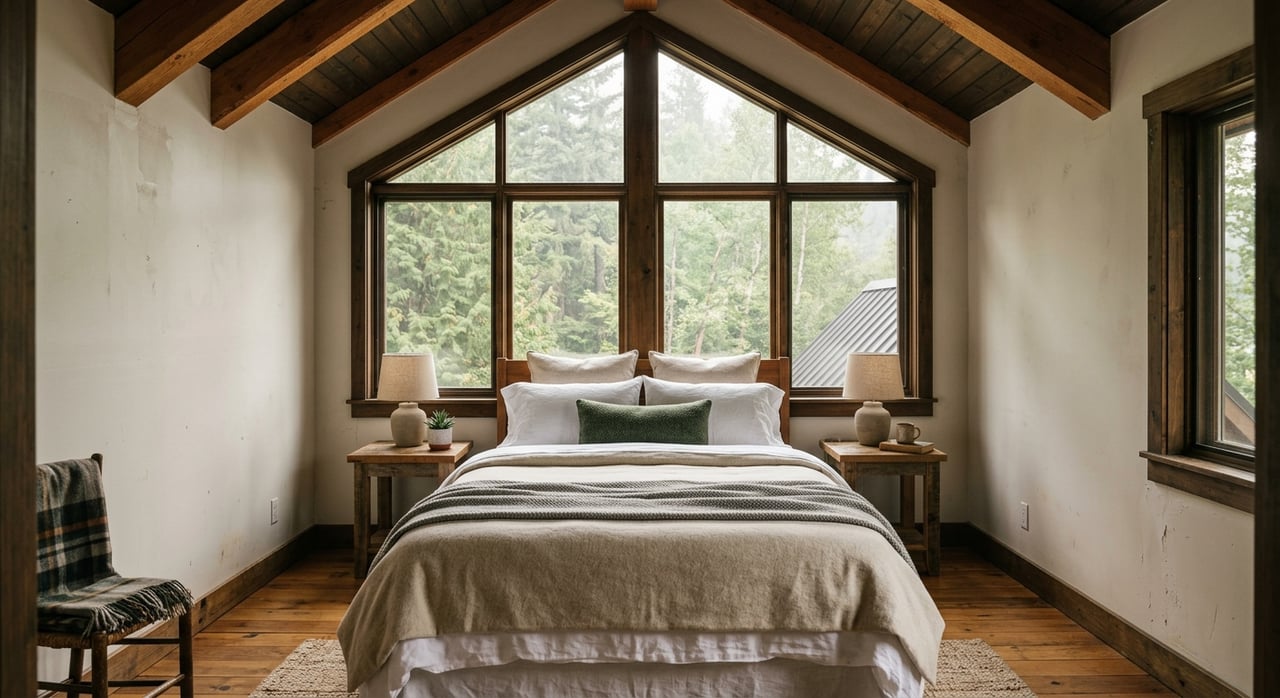
Step-By-Step Guide To Selling A Home In West Jefferson
July 2, 2026
July 2, 2026
If you’re thinking about selling your home in West Jefferson, it helps to know one thing up front: this is not a market where you want to wing it. Buyers here are often weighing the home itself along with views, road access, downtown convenience, acreage, and how the property fits a mountain lifestyle. When you understand the local process, price carefully, and prepare your paperwork early, you put yourself in a much stronger position. Let’s dive in.
West Jefferson sits in Ashe County, where buyers are often drawn to a mix of mountain scenery, outdoor recreation, second-home appeal, and a walkable downtown with shops and restaurants. That means your home may be competing on more than square footage or finishes alone. Location, access, setting, and usability can all shape buyer interest.
Recent market snapshots point in slightly different directions, which is common when different companies use different methods. Public reports in spring 2026 showed median sale and value figures in the mid-$300,000s, while another snapshot showed a median listing price of $477,000, a 97% sale-to-list ratio, and a buyer’s market label. One useful takeaway is that sellers should treat broad online numbers as directional, not as a substitute for local pricing advice.
The bigger lesson is simple: realistic pricing matters. One public snapshot showed homes taking an average of 163 days to sell, which suggests you should prepare for a measured process instead of assuming your home will sell in a week. Strong presentation and a smart pricing strategy can make a real difference.
Before your home goes live, you need two early conversations: price and representation. In North Carolina, the Working With Real Estate Agents disclosure is meant to be reviewed at first substantial contact so you understand agency options and how your information is handled. That means the relationship side of the sale begins early, not after the sign goes up.
Pricing a home in West Jefferson takes local context. A property near downtown may attract a different buyer than a cabin on acreage or a home with long-range views. In a market like Ashe County, where buyers may be local, relocating, or looking for a second home, neighborhood position and property type matter just as much as general market headlines.
A local brokerage can help you compare your home to recent nearby sales, current competition, and the features buyers in this area tend to value most. That helps you avoid one of the biggest seller mistakes: pricing high to “leave room” and then sitting on the market while buyers move on.
North Carolina requires sellers of many residential properties with one to four dwelling units to provide a residential property disclosure statement based on actual knowledge. Required topics include major systems and conditions such as water supply, sewer or septic, roof, structure, plumbing, electrical, heating and cooling, wood-destroying organisms, zoning matters, encroachments, and certain environmental conditions.
If your property is part of an owners’ association or subject to mandatory covenants, a separate association disclosure may also be required. That form addresses items like dues, assessments, services, lawsuits, and transfer fees. If your property involves applicable mineral or oil and gas rights issues, North Carolina also requires a separate disclosure for that.
For homes built before 1978, there is another step. Sellers must disclose any known lead-based paint or lead hazards and provide the required lead-based paint information to the buyer. If you have records or reports about known lead-based paint, those need to be shared as well.
It also helps to gather documents before listing, especially in a mountain market where buyers may ask detailed questions. Useful records may include:
Having these items ready can save time later and reduce stress during due diligence.
Square footage deserves extra attention. In North Carolina, if square footage is marketed, it must be accurate. Brokers cannot simply rely on tax records, an older listing, blueprints after construction is complete, or the seller’s estimate.
This matters in West Jefferson because many homes include spaces that raise questions, such as finished attics, bonus rooms, enclosed porches, garages, or additions. If an improvement was unpermitted, it must be identified separately when square footage is represented. That is one reason to review permit history and improvement records before you list.
Ashe County’s Building Inspections Department states that permits are required before many types of construction, reconstruction, alteration, repair, movement, or demolition. Depending on the property, additional approvals may also be needed before a permit is issued. If you have added space or made major changes over the years, it is smart to check your paperwork early.
In West Jefferson, buyers are often shopping for a lifestyle as much as a structure. Some are focused on living close to town. Others are looking for privacy, views, manageable acreage, or a home that works well as a second property. Your listing should help buyers quickly understand how the home fits their goals.
That means preparation is about more than cleaning and decluttering. You also want to highlight the practical parts of ownership that matter in the High Country, like road access, parking, storage, outdoor living areas, and how easy the property is to maintain. If your home has useful extras like a workshop, outbuilding, covered porch, or usable land, those details should be presented clearly.
A thoughtful marketing plan should also show how your property relates to West Jefferson itself. For some buyers, access to downtown shopping, dining, and services may matter. For others, proximity to recreation and the broader mountain setting may be the bigger draw.
Once your pricing, disclosures, and prep work are in place, your home is ready for market. This is where professional presentation and local positioning work together. In a market where buyers may be comparing homes across Ashe County and nearby High Country areas, first impressions count.
A strong launch should make it easy for buyers to understand what sets your property apart. That may include the setting, views, lot layout, acreage, convenience to town, or the way the home could function as a primary residence or second home. Clear photos, accurate details, and a clean property story help buyers decide whether to schedule a showing.
This is also where local knowledge matters. A boutique brokerage rooted in downtown West Jefferson can bring neighborhood context, current market perspective, and digital marketing tools to help your listing stand out with the right audience.
Showings are only one part of the access process in North Carolina. Buyers may tour the home first, then return later for inspections, measurements, final visits, or other due-diligence tasks. The contract structure in North Carolina gives buyers time to investigate the property, so flexibility matters.
That means sellers should expect more than one visit in many transactions. It also helps to keep the home in showing condition longer than you might expect, especially if the property goes under contract quickly but the buyer still has inspections and follow-up items to complete.
Good communication makes this stage easier. Clear scheduling, quick responses, and a plan for handling appointments can help keep momentum moving.
The highest price is not always the strongest offer. In North Carolina, you also need to look closely at the due-diligence period, any due-diligence fee, earnest money, financing terms, and the overall timeline.
The due-diligence period begins on the contract’s effective date, and the length is negotiable. During that period, the buyer may investigate the property and may terminate by written notice before the deadline. Buyers commonly use this window for inspections, survey work, title review, appraisal, and financing steps.
That is why sellers should evaluate offers as a full package. A clean offer with realistic timing and solid terms may put you in a better position than a higher number tied to a long or uncertain due-diligence period.
Once you are under contract, inspection issues may come up. Buyers may ask for repairs, credits, or other concessions based on what they find during due diligence. In North Carolina, these repair requests are negotiable.
You are not automatically required to agree to a buyer’s repair list. At the same time, quick and practical responses often help keep a deal together. If you do agree to repairs, they must be completed in a good and workmanlike manner before settlement.
It helps to keep everything organized in writing and to save receipts or contractor information. Buyers have the right to verify agreed repairs and complete a final walk-through, even after due diligence has ended.
In North Carolina, residential closings are typically handled through an attorney-led process. The closing attorney reviews the agreement, works through title matters, prepares legal documents such as the deed, oversees execution, handles recordation, and disburses funds once the closing conditions are met.
For sellers, that means closing is more than signing papers. It is a coordinated legal process involving the attorney, brokers, lender if there is one, and county recording requirements. If questions about title, documents, or property history come up late, they can affect timing.
Staying responsive during this stage helps avoid delays. It is also one more reason complete documentation from the start can make the overall sale smoother.
After settlement, the deed is recorded with the Ashe County Register of Deeds in Jefferson. The county states that a tax certification must be attached to deeds presented for recording. The office also lists weekday recording hours from 8:00 a.m. to 4:30 p.m.
Ashe County also notes a recording fee of $26 for the first 15 pages and $4 for each additional page. While the closing attorney handles the legal side of recordation, it helps sellers to know that county-level requirements are part of the final step.
Property taxes also matter at closing. Ashe County says property taxes are due September 1 each year and become delinquent on January 5, with interest beginning January 6. If your sale happens midyear or close to that cycle, taxes may be prorated as part of the closing figures.
Selling in West Jefferson is not just about putting a home online and waiting for an offer. You are selling in a mountain market where pricing, access, lifestyle appeal, disclosures, and documentation all shape the outcome. Buyers here may be comparing full-time homes, second homes, cabins, and acreage, often with very different priorities.
That is where a hands-on local team can help. With a relationship-driven approach, neighborhood knowledge, and practical pricing support, you can make better decisions from day one and avoid common issues that slow a sale down.
If you’re getting ready to sell in West Jefferson or anywhere in Ashe County, A-1 Mountain Realty can help you build a smart plan, price with confidence, and navigate the process from listing through closing.
Stay up to date on the latest real estate trends.
We pride ourselves in providing personalized solutions that bring our clients closer to their dream properties and enhance their long-term wealth. Contact us today to discuss all your real estate needs!

PHYSICAL ADDRESS: 1 N Jefferson Ave West Jefferson NC 28694 MAILING ADDRESS: PO Box 828 West Jefferson NC 28694