Preparing Your Deep Gap Cabin Or Land To Sell
June 18, 2026
June 18, 2026
Wondering how much prep your Deep Gap property really needs before it hits the market? If you are selling a cabin, mountain home, or piece of land, the right steps before listing can shape how buyers respond online and in person. A little focused work can help your property show more clearly, avoid surprises, and make the sale process smoother from the start. Let’s dive in.
In Deep Gap, buyers often shop online first, and your photos usually do the heavy lifting. According to the research provided, 81% of buyers consider listing photos the most important factor in online searches. That means the way your property looks before the first showing matters more than many sellers expect.
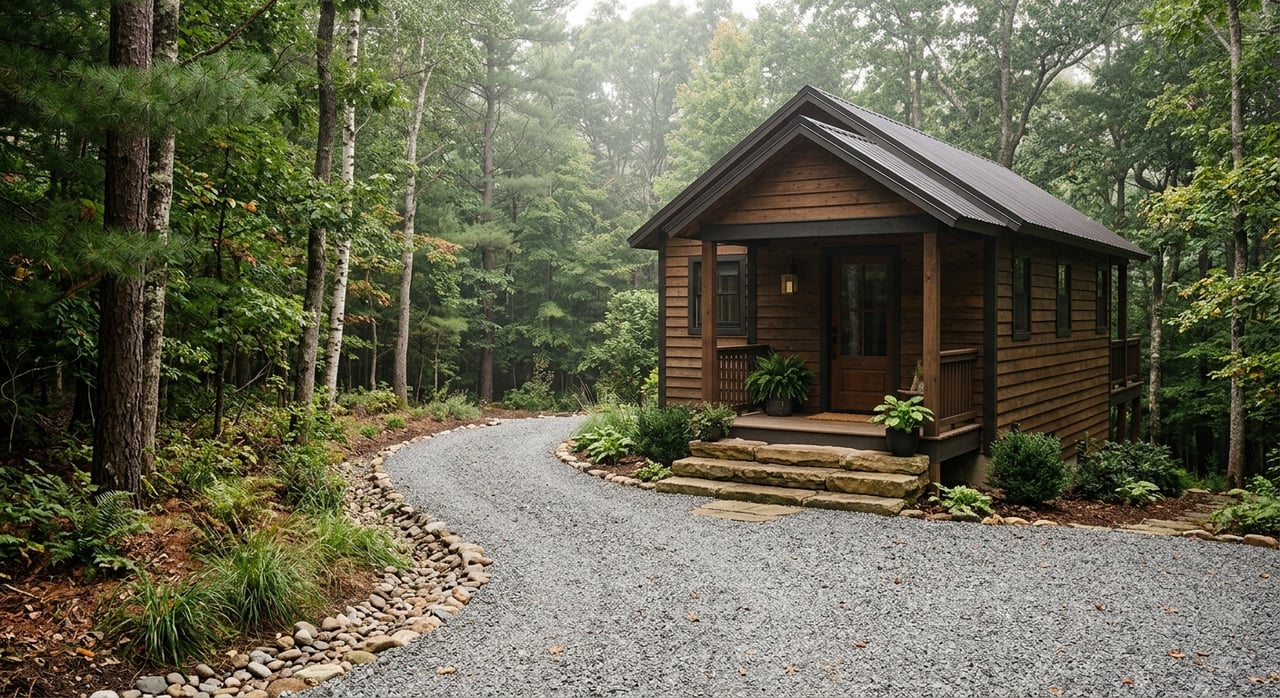
For mountain properties, first impressions go beyond the front door. Buyers notice the driveway, roadside visibility, entry points, and how easy the property feels to understand. If a buyer cannot tell where to turn in, where to park, or how to access the best part of the land, interest can cool quickly.
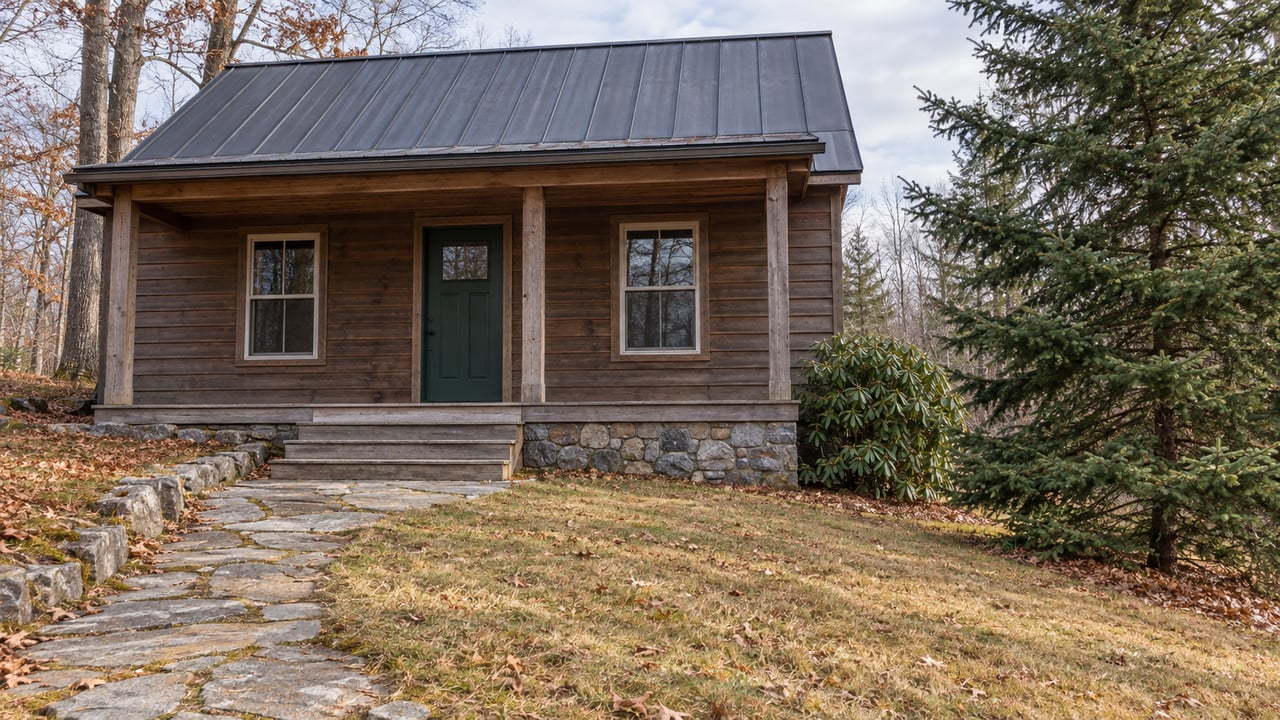
For cabins and homes, start outside. Cut back brush, mow, rake leaves, remove trash, and make the entry easy to spot from the road. Cameras tend to magnify clutter and grime, so a property that feels tidy in person can still look rough in photos if the outside is not cleaned up.
Driveway condition also matters in the High Country. Potholes, washouts, drainage issues, loose gravel, broken culverts, and overgrown shoulders can make a property feel harder to maintain. When possible, tackle visible access problems before listing so buyers focus on the property itself, not the work they think they will inherit.
If you are thinking about changing driveway access or doing work that touches a state road, verify the rules early. NCDOT says a driveway permit is required for development, redevelopment, expansion, change of use, or alteration of existing access to the State Highway System. Small and simple requests are often processed in four weeks or less, while more complex requests can take eight weeks or more.
If you are not sure whether the road is state-maintained, check that first before making plans. The NCDOT HB620 road database shows road ownership and maintenance status, though anything unclear should be confirmed with the appropriate office. That small step can help you avoid delays later.
You do not need to turn a mountain cabin into a magazine set. In most cases, a deep clean and simple staging do more than expensive decorating. Focus on the basics that help rooms feel open, bright, and easy to understand.
Inside the home, clear counters, closets, porches, and visible storage areas. Wash windows, remove cobwebs, and open blinds to bring in natural light. If a room feels tight, removing a piece or two of furniture may help it read larger in photos and showings.
For cabins, highlight the features buyers came to see. That may be a fireplace, covered porch, built-ins, or a mountain view. The research report notes that 83% of buyers’ agents said staging made it easier for buyers to visualize the property as a future home, and many agents also reported stronger offers and shorter time on market.
Land needs preparation too, just in a different way. Buyers usually do not expect raw land to look manicured, but they do want to understand what they are looking at. If they cannot tell where the road frontage is, where a driveway might go, or where a likely building site sits, the property can feel harder to evaluate.
For acreage in Deep Gap, clear a path to the best building area if possible. Expose enough frontage or driveway access to show how the tract works. Remove debris and trim back enough growth so buyers can see the usable parts of the land without guessing.
The goal is clarity, not perfection. Honest presentation matters because online photos drive interest, and buyers can feel misled if site conditions are hidden or views are overstated. Strong listing photography should help buyers understand the property, not create a mismatch when they arrive.
One of the best things you can do before listing is build a clean document file. Deep Gap buyers, especially land buyers and second-home buyers, often want details early. Having information ready helps reduce back-and-forth and shows that the property has been thoughtfully prepared for the market.
Start with the basics:
Watauga County uses parcel mapping to track real property, and the Register of Deeds maintains recorded plats and land records. The research also notes that property ownership searches rely on tax mapping, not just a street address, so parcel information is especially useful.
If your property has a private well or septic system, locate permits and repair records before the listing goes live. AppHealthCare says Watauga County septic and well permits can be searched online, and the search works best with identifiers like tax ID, address, subdivision, or owner name.
This step matters because buyers often ask about these systems early in the process. If records are hard to find, start the search sooner rather than later. Some older records may require checking multiple identifiers or contacting local environmental health staff.
If you are planning repairs or upgrades before listing that require a building permit, check the septic and well release status first. The research report notes that Watauga County building inspections will need a Construction Authorization or Health Department Release before issuing a building permit.
For vacant land and buildable acreage, clear documentation can be a major advantage. If you already have a survey plat, schematic, parcel ID, or site plan, gather those materials in one place. Buyers and builders often use them to evaluate how the tract may work for future plans.
The research report also notes that septic and well permitting materials often include marked property lines, a staked house site, a staked well site, a marked driveway, and a survey plat or schematic. If you already have any of that prepared, it may reduce friction for buyers trying to assess the property.
If your tract sits in a floodplain, be ready for questions. Watauga County Planning and Inspections administers the Flood Damage Prevention Ordinance and provides flood map determinations. Buyers and lenders may want that information as part of their review.
If your sale includes a dwelling, North Carolina generally requires two seller disclosures before an offer is made. These are the Residential Property and Owners’ Association Disclosure Statement and the Mineral and Oil and Gas Rights Mandatory Disclosure Statement, subject to limited exceptions.
It is also important to keep disclosures current. If you learn something after listing that makes a disclosure inaccurate, the research report notes that it should be updated promptly or the issue should be corrected. That kind of honesty helps build trust and can reduce problems later in the transaction.
If the property is subject to an HOA or restrictive covenants, make those details easy to find. In North Carolina, HOA status and restrictive covenants are treated as material facts, so buyers should be able to review dues, rules, and association contact information early.
Some prep work is simple, and some is worth handing off to the right expert. If property lines, easements, shared driveways, or old plat details are unclear, calling a surveyor before listing can save time and confusion.
If the septic system has odors, slow drains, soggy spots, or missing records, contact a septic professional or local environmental health office. If the home uses a private well and you have concerns about flow, pressure, or water quality, a well contractor or water-quality professional may be the right next call.
For access questions on a state road, talk with NCDOT before promising a driveway change, culvert move, or new entrance. If ownership, deed wording, liens, or mineral rights are unclear, involve an attorney or title professional. Watauga County notes that the Register of Deeds cannot conduct a title search, so legal help may be needed for those issues.
It is tempting to present a property in the very best possible light, especially in a scenic market like Deep Gap. But the strongest listings are both attractive and accurate. Buyers should feel pleasantly confirmed when they arrive, not disappointed.
That means using strong photos, thoughtful staging, and clear property information without overstating condition, access, or views. Honest marketing helps attract serious buyers who understand what they are seeing and are better prepared to move forward.
Preparing a Deep Gap cabin or piece of land to sell is not about making it look perfect. It is about making it legible, accessible, and well documented so buyers can say yes with confidence. If you want practical guidance on what to fix, what to leave alone, and how to position your property for today’s market, A-1 Mountain Realty is here to help.
Stay up to date on the latest real estate trends.



We pride ourselves in providing personalized solutions that bring our clients closer to their dream properties and enhance their long-term wealth. Contact us today to discuss all your real estate needs!

PHYSICAL ADDRESS: 1 N Jefferson Ave West Jefferson NC 28694 MAILING ADDRESS: PO Box 828 West Jefferson NC 28694