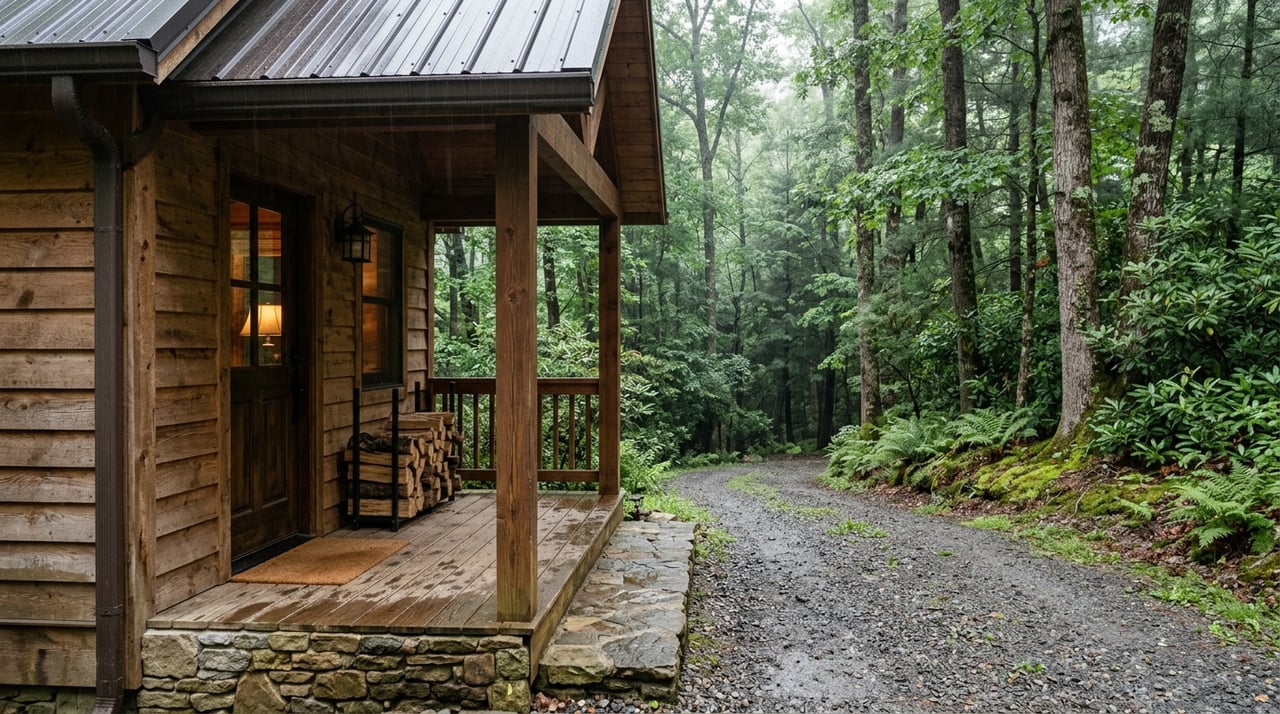
Everyday Cabin Life In Deep Gap
June 11, 2026
June 11, 2026
Dreaming about a cabin that feels tucked away, but not cut off? That is the appeal of everyday cabin life in Deep Gap. If you are wondering what it is really like to own or buy a cabin here, the answer is both simple and practical: you get a wooded High Country setting, easy access to Boone, and a true four-season mountain routine. Let’s take a closer look at what daily life in Deep Gap can actually feel like.
Deep Gap is less of a compact town and more of a rural mountain corridor. Watauga County planning materials describe it as a gateway area where scenic views and rural character are important to preserve. That helps explain why cabin life here often feels quiet, wooded, and spread out rather than centered around a busy downtown.
For many buyers, that balance is the draw. You can enjoy a mountain setting with cooler elevations, while still staying connected to the broader High Country. Much of the Deep Gap area sits around 3,000 to 3,500 feet in elevation, which supports the cooler, forested feel people expect from a cabin property.
In Deep Gap, the road experience matters. US 421 runs through the area as a four-lane expressway with partial access control, so your day-to-day movement tends to feel more like scenic corridor travel than neighborhood street-grid driving. Many residents commonly travel toward Boone, which remains the main hub for services and errands.
That means everyday cabin life often includes intentional trips rather than quick walks to nearby stores. If you are buying here, it helps to think about your routine in real terms: groceries, appointments, hardware runs, and dining out are often tied to Boone and the surrounding High Country.
Deep Gap offers the setting, but Boone supports many of the practical needs of everyday life. Boone is the county seat of Watauga County, and it serves as the area’s main service center. Municipal services and utilities are based there, and Watauga Medical Center is also in Boone.
For you as a cabin owner, that usually means a comfortable mix of privacy and convenience. You can live in a quieter spot and still have access to medical care, public services, and daily essentials within the broader Boone area. That is often exactly what second-home buyers and full-time residents want in a mountain property.
One of Deep Gap’s standout lifestyle advantages is its close relationship to the Blue Ridge Parkway. The National Park Service identifies Milepost 276 as Deep Gap, which gives the area a strong connection to one of the region’s best-known scenic drives. For many cabin owners, that nearby access becomes part of the rhythm of mountain living.
It is also worth keeping expectations realistic. The Parkway is free to enter, but it does not always function like a standard local road. Construction, weather, and temporary closures can affect access, so it is wise to check road status before you head out.
The Parkway tends to be busiest in June, July, August, and October, especially on weekends and holidays. If you enjoy leaf season drives or summer outings, that popularity is part of the experience. Living nearby means you can take advantage of the scenery, but you may want to plan around peak traffic times.
In winter, conditions can change quickly. The National Park Service notes that ice, snow, and thaw-refreeze cycles can create closures, especially on bridges and shaded curves. For cabin life in Deep Gap, scenic access is a major bonus, but flexibility matters.
If you are considering a cabin in Deep Gap, the weather should be part of your decision. NOAA climate normals from a nearby Boone station at about 3,100 feet show a January mean temperature of 31.5 degrees and a July mean of 68.4 degrees. That tells you a lot about life here: winters are cold enough to matter, and summers are milder than many lower-elevation Southern areas.
Annual precipitation averages 59.13 inches, and annual snowfall averages 25.6 inches. This is not a place where weather fades into the background. Instead, the seasons shape how you maintain your home, plan travel, and use your outdoor spaces.
Winter in this part of the High Country calls for preparation. January and February each average about 6.6 to 6.7 inches of snow, March still averages 4.8 inches, and December averages 5.2 inches. Even if snow totals sound manageable, ice and changing road conditions can have a bigger impact on day-to-day convenience.
That does not mean cabin life is hard. It simply means mountain ownership works best when you expect seasonal maintenance and stay ahead of it. A cabin in Deep Gap is usually more weather-sensitive than a house in a lower, more urban market.
A mountain cabin can be relaxing, but it is rarely a set-it-and-forget-it property. Because rain falls fairly steadily through the year and snow is part of winter, regular upkeep matters. Roof checks, driveway maintenance, drainage review, and heating system attention are all part of responsible ownership.
This is especially important if you plan to use the property as a second home. You will want to understand how the house performs in wet weather, freezing temperatures, and shoulder seasons. In Deep Gap, a well-chosen cabin can be deeply rewarding, but practical details matter just as much as the view.
One of the biggest things to verify is infrastructure. Watauga County planning documents note that lack of water service in Deep Gap has been a hurdle to higher-density development. For buyers, that is a useful reminder that property systems may be site-specific.
Before you move forward on a cabin, confirm whether the home is served by public water, a private well, septic, or another setup. Do not assume town-style infrastructure just because a property feels accessible. In mountain markets, those details affect both your daily routine and long-term planning.
Cabin life in Deep Gap is usually built around simple routines and a strong sense of place. You may start your morning with cool air, wooded views, and a drive toward Boone for errands or work. On free days, nearby scenic roads and Parkway access can make an ordinary afternoon feel a little more like a getaway.
That said, daily life here is not only about atmosphere. It is also about learning the pace of the mountains, from watching weather in winter to planning for maintenance through the year. For many buyers, that tradeoff feels well worth it.
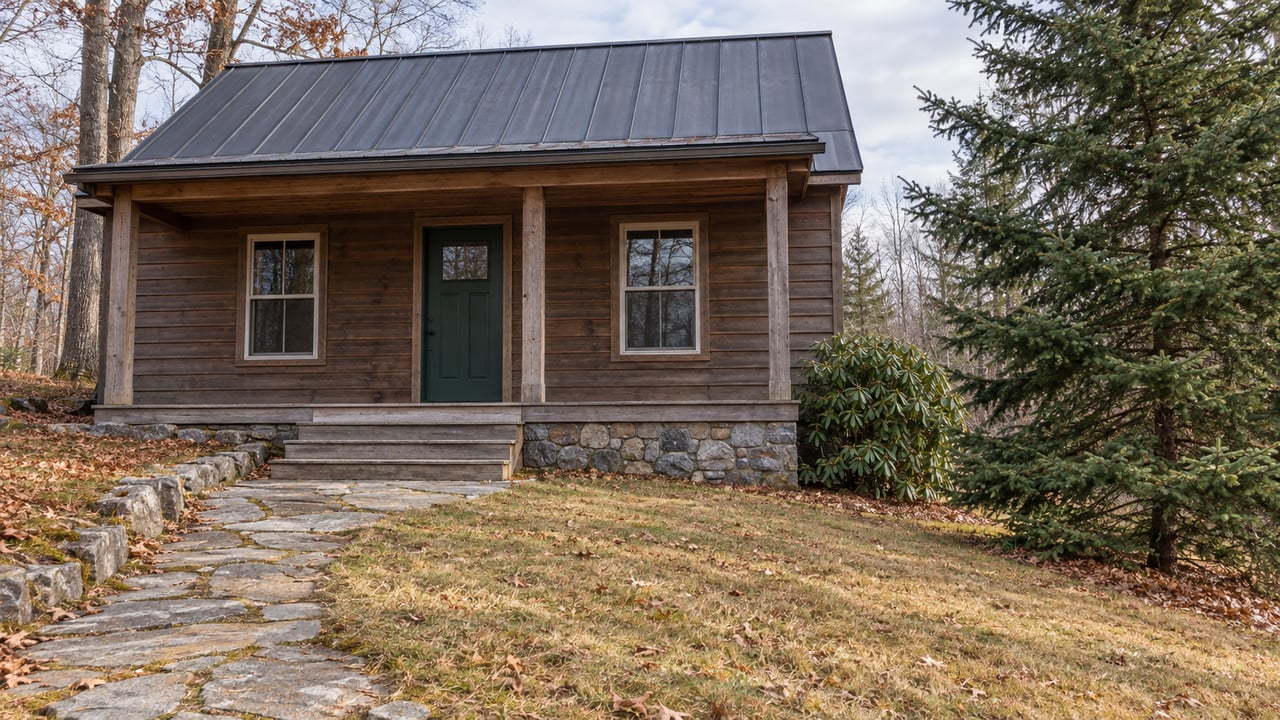
Deep Gap tends to fit buyers who want a quieter setting with natural scenery and a practical connection to Boone. It can work well for second-home buyers, lifestyle buyers, and full-time residents who want a cabin feel without being too far from services. The area offers a blend of privacy, scenic character, and regional accessibility.
It may be a particularly strong match if you value:
It also helps if you are comfortable with:
The best Deep Gap cabin decisions start with honest expectations. A great property here is not just about charm or curb appeal. It is also about how the home handles weather, access, utilities, and your everyday routine.
That is where local guidance matters. When you understand how a property fits the landscape and the pace of this part of Watauga County, you can buy with much more confidence. If you are considering a cabin in Deep Gap, A-1 Mountain Realty can help you evaluate the details that shape real mountain living and guide you toward a property that fits your goals.
Stay up to date on the latest real estate trends.

We pride ourselves in providing personalized solutions that bring our clients closer to their dream properties and enhance their long-term wealth. Contact us today to discuss all your real estate needs!

PHYSICAL ADDRESS: 1 N Jefferson Ave West Jefferson NC 28694 MAILING ADDRESS: PO Box 828 West Jefferson NC 28694